About Training Cell
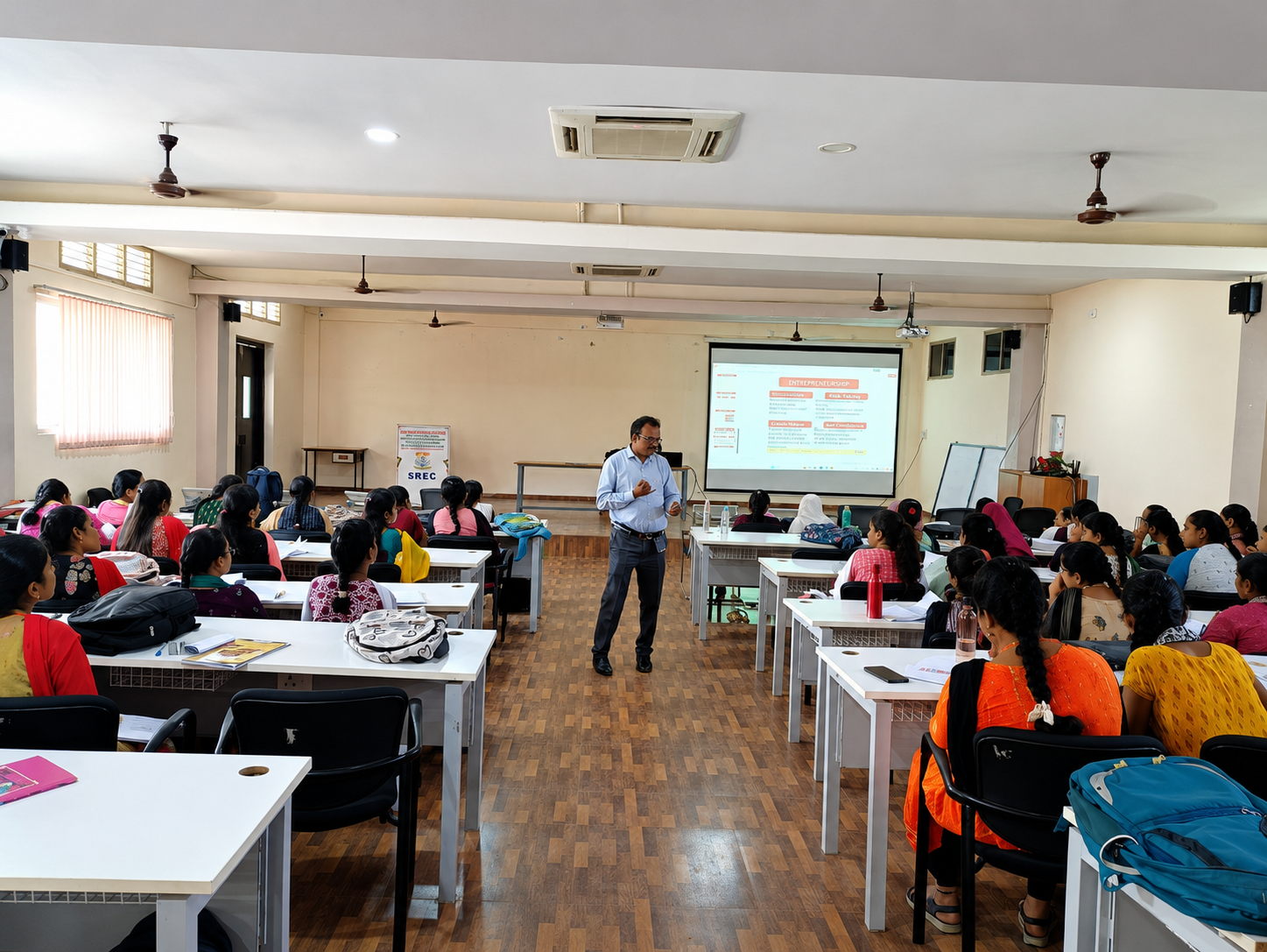
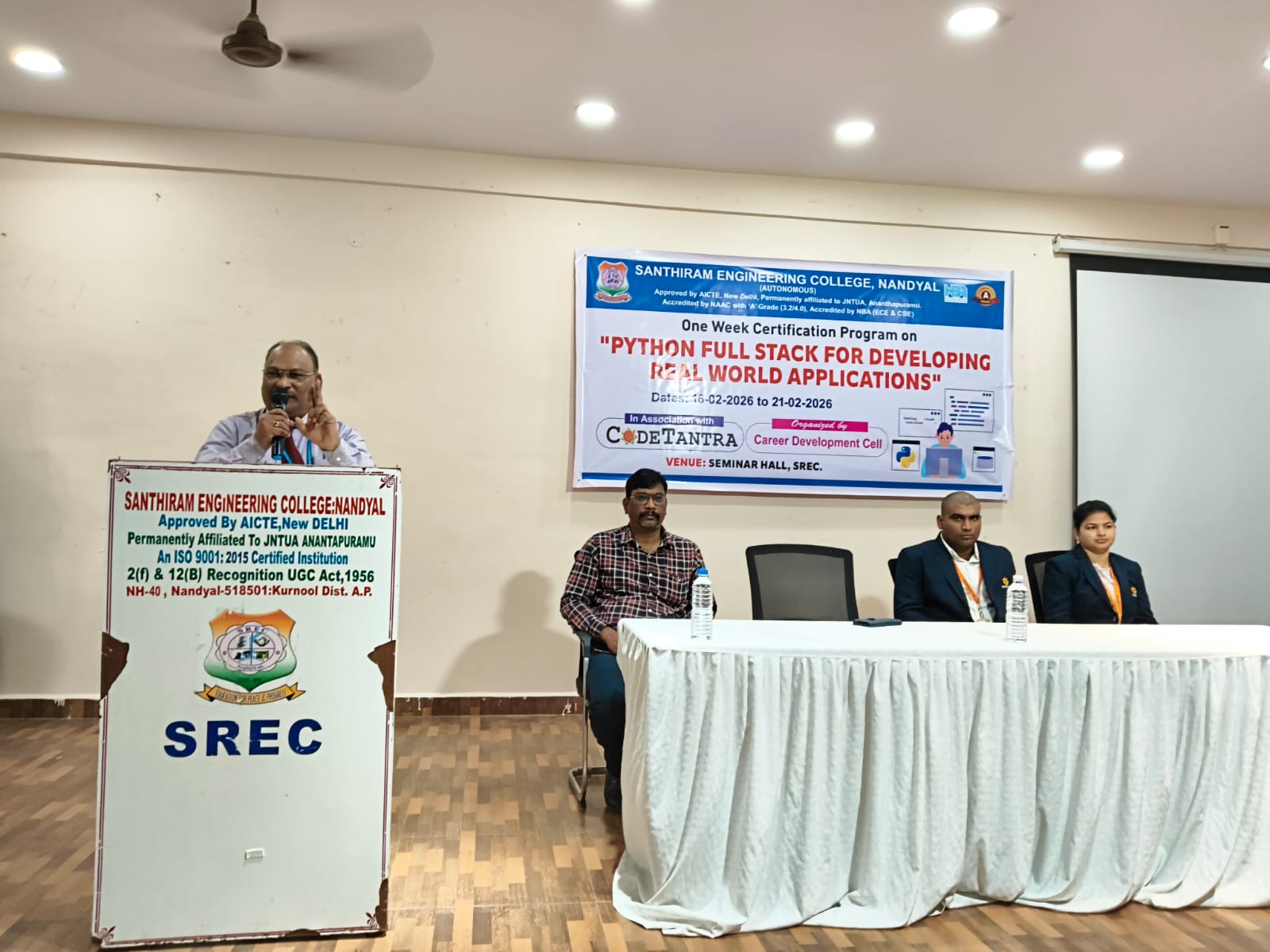
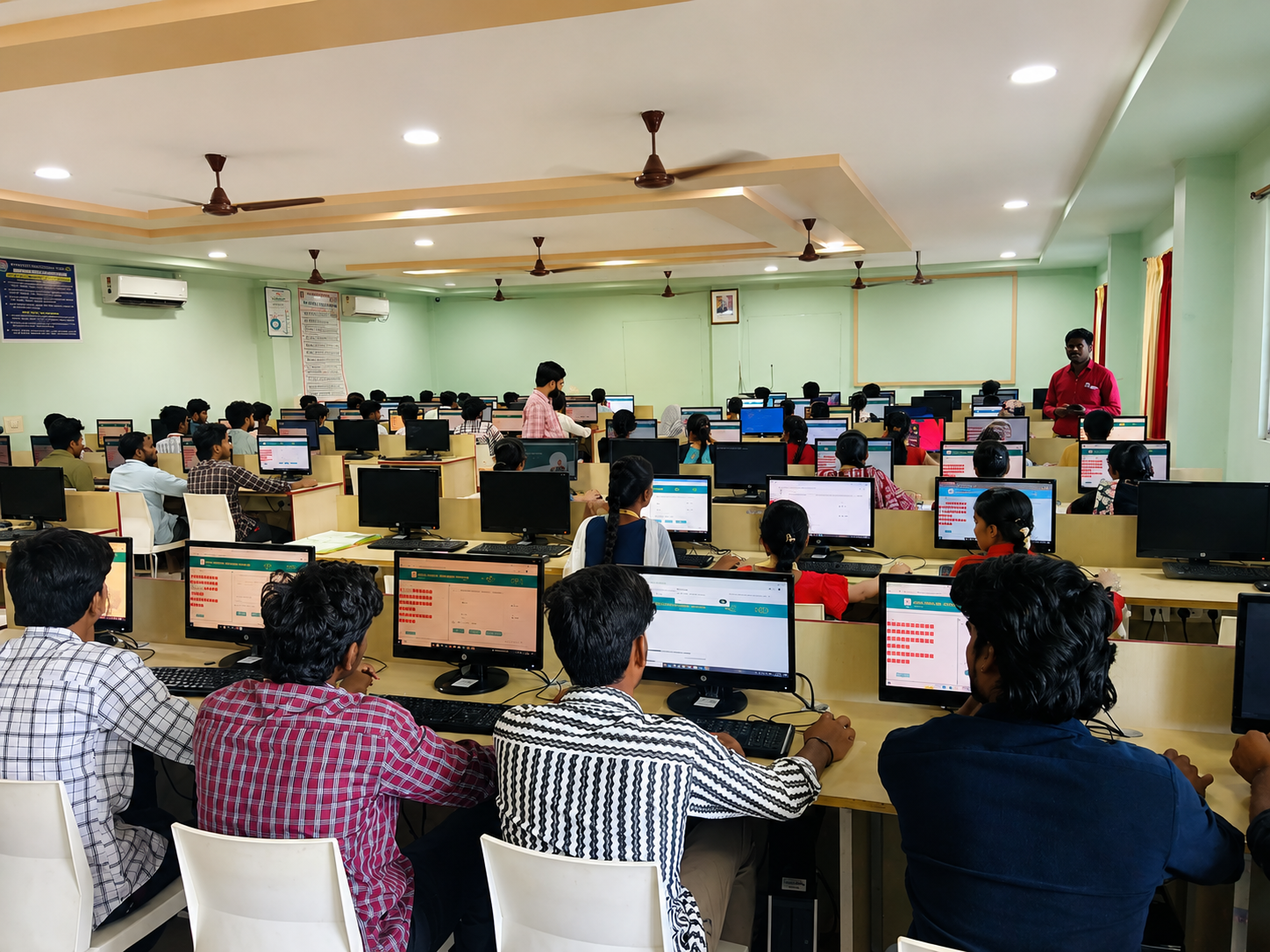
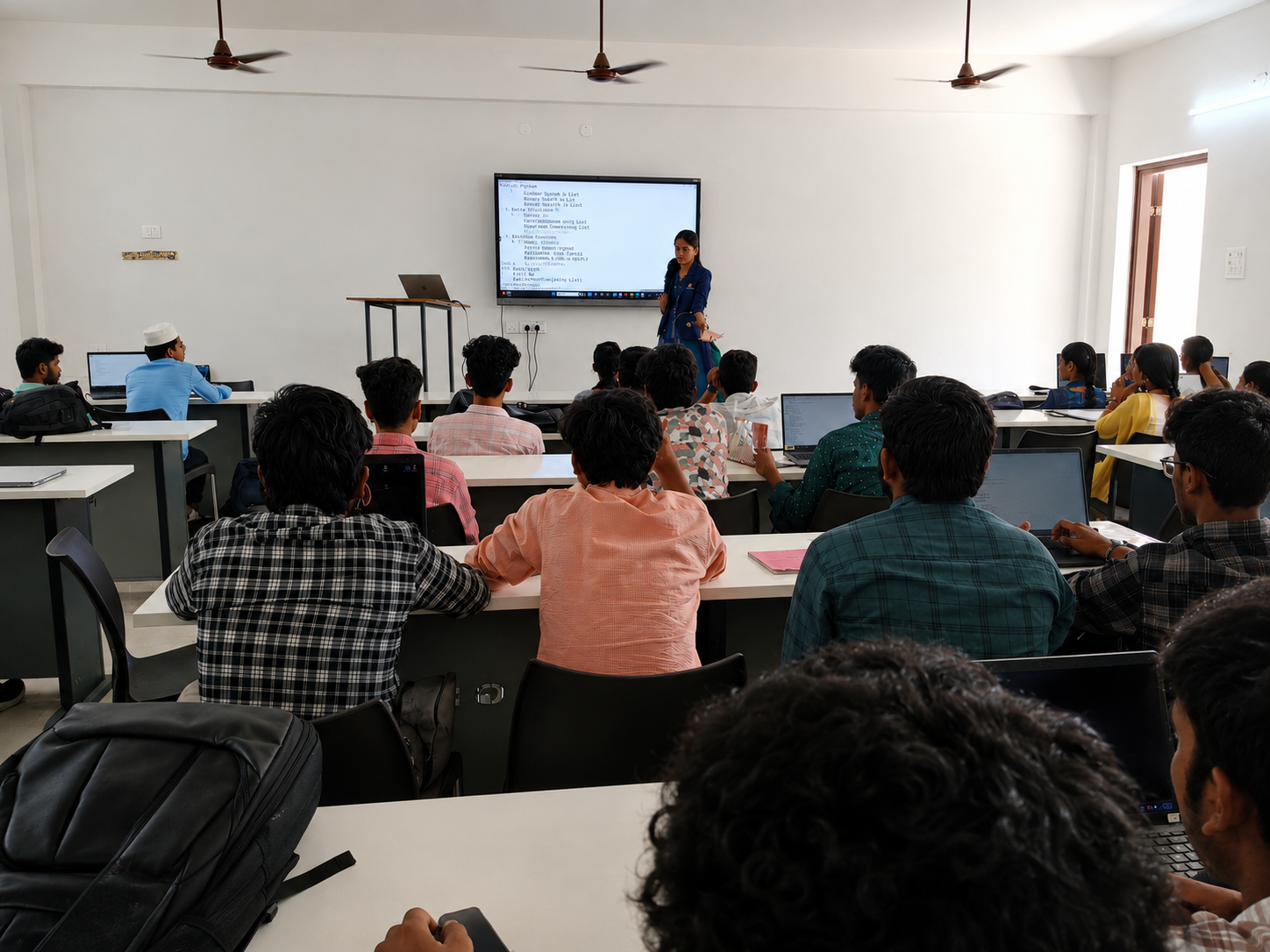
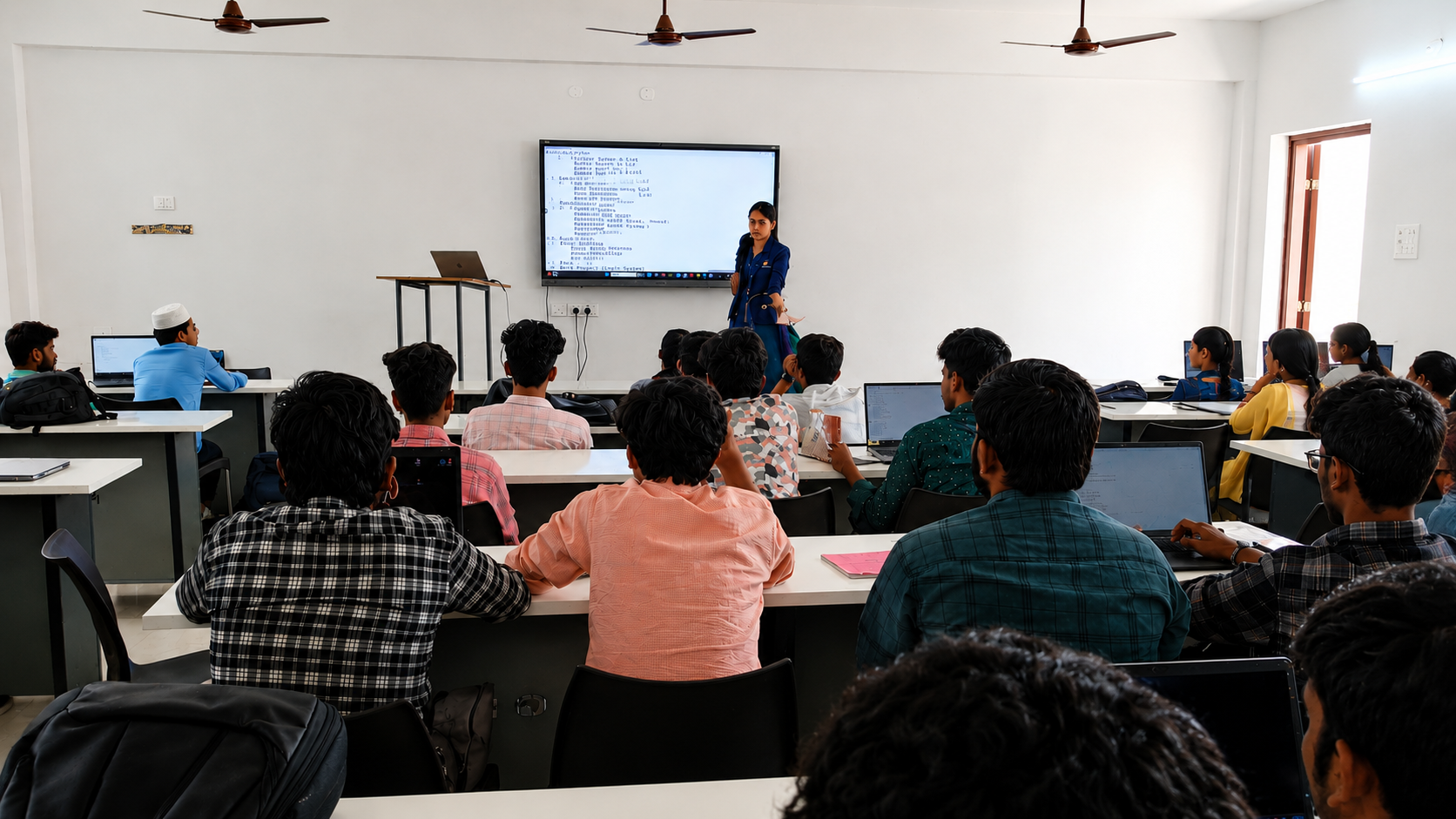
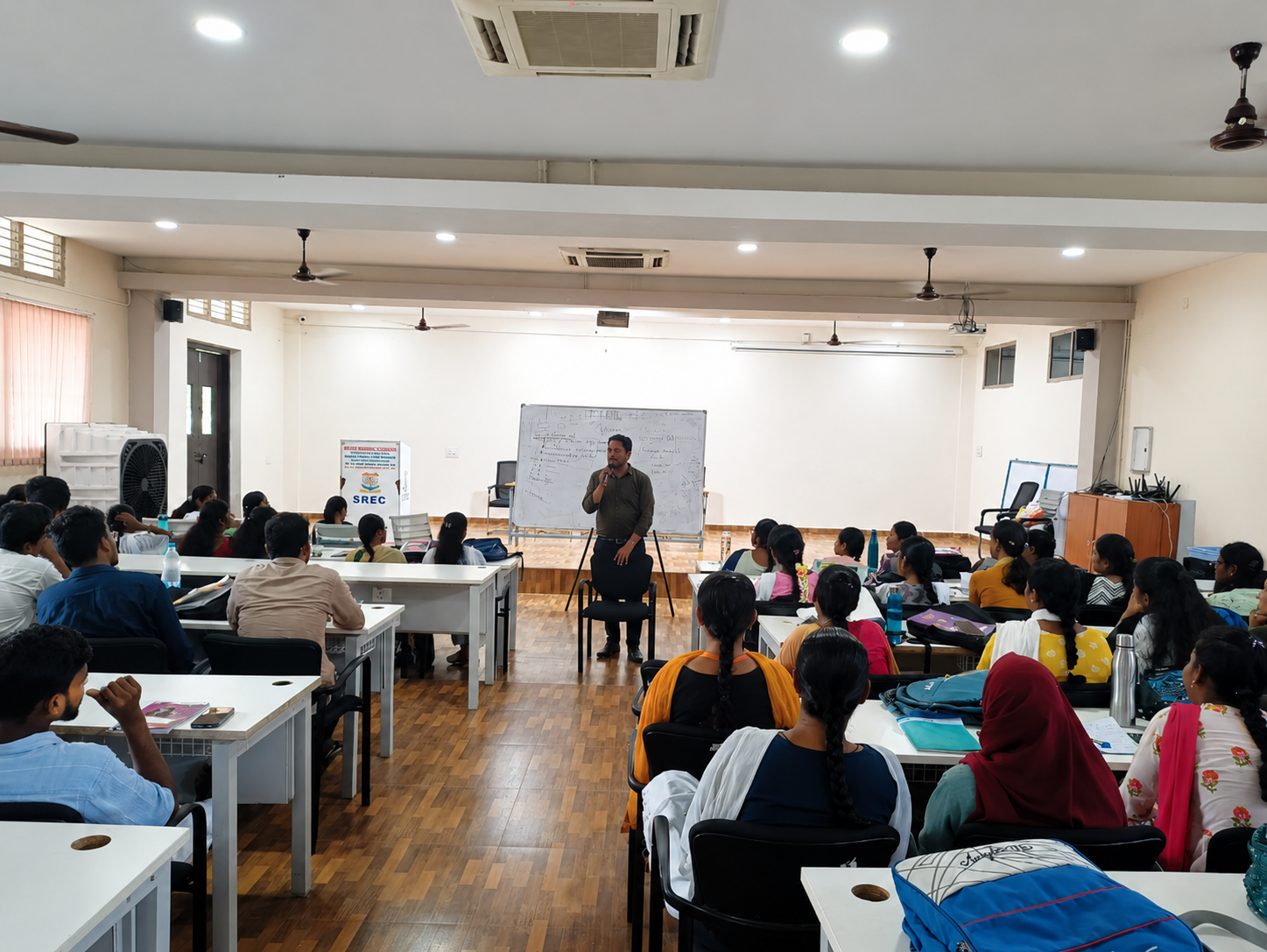
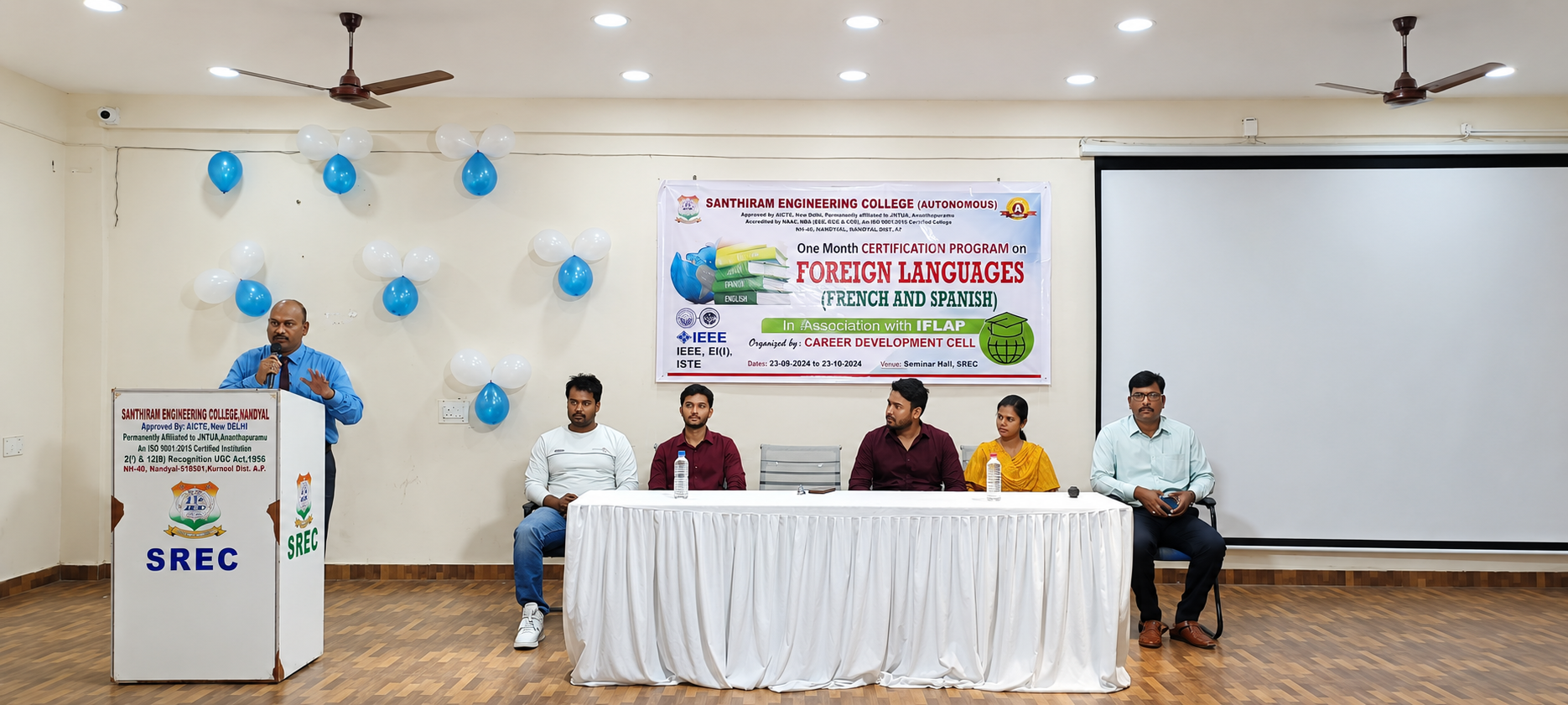
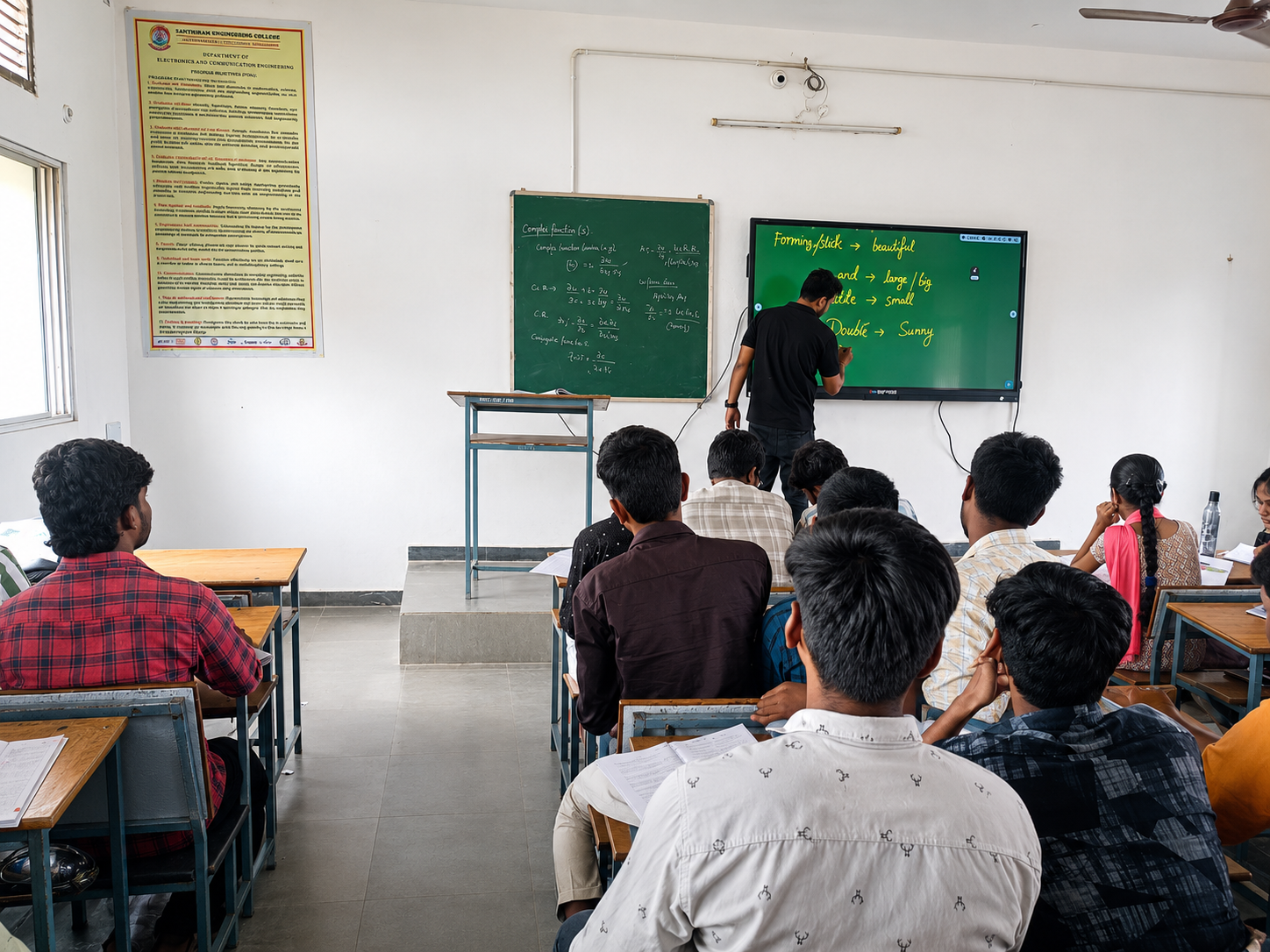
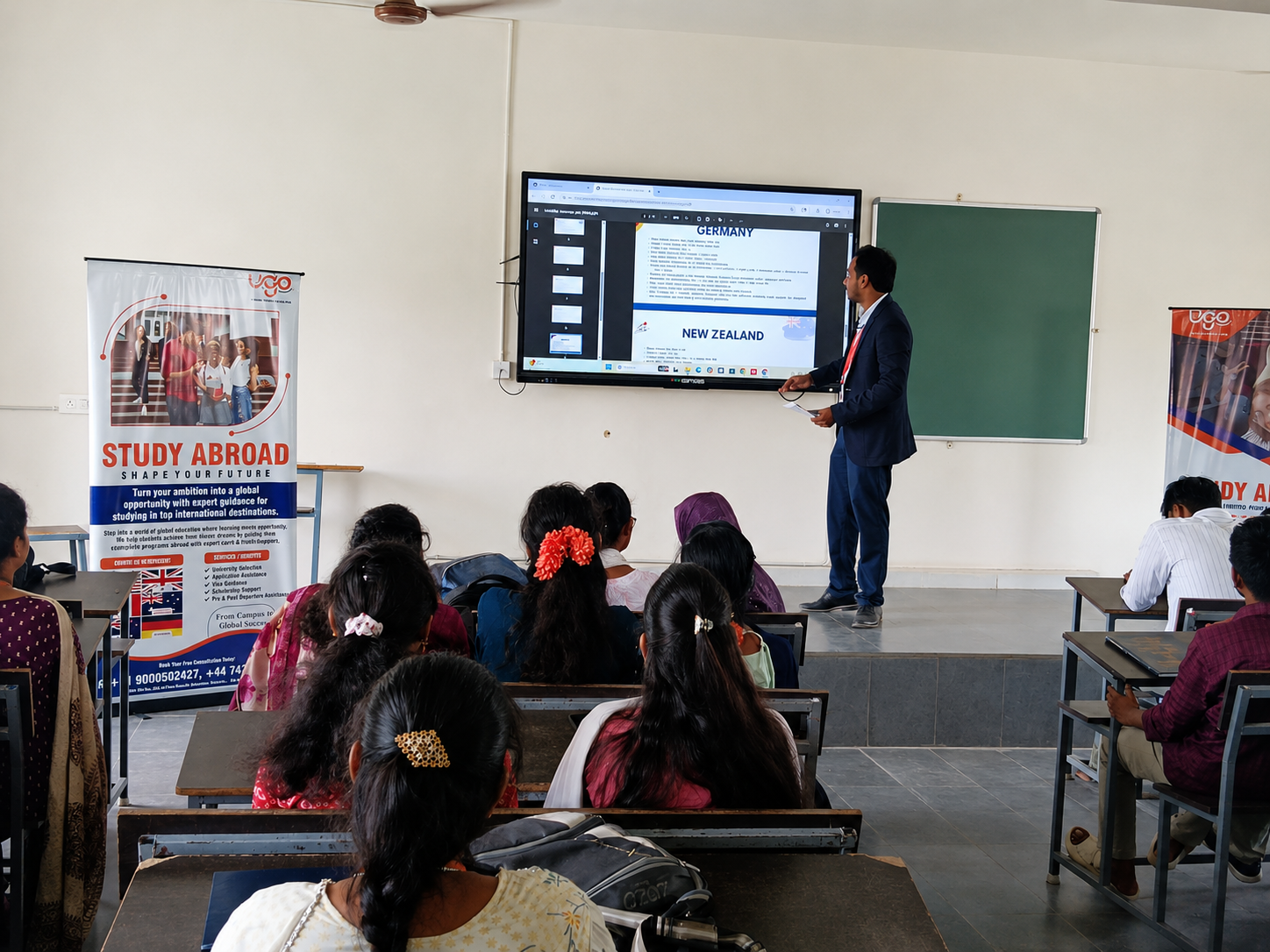
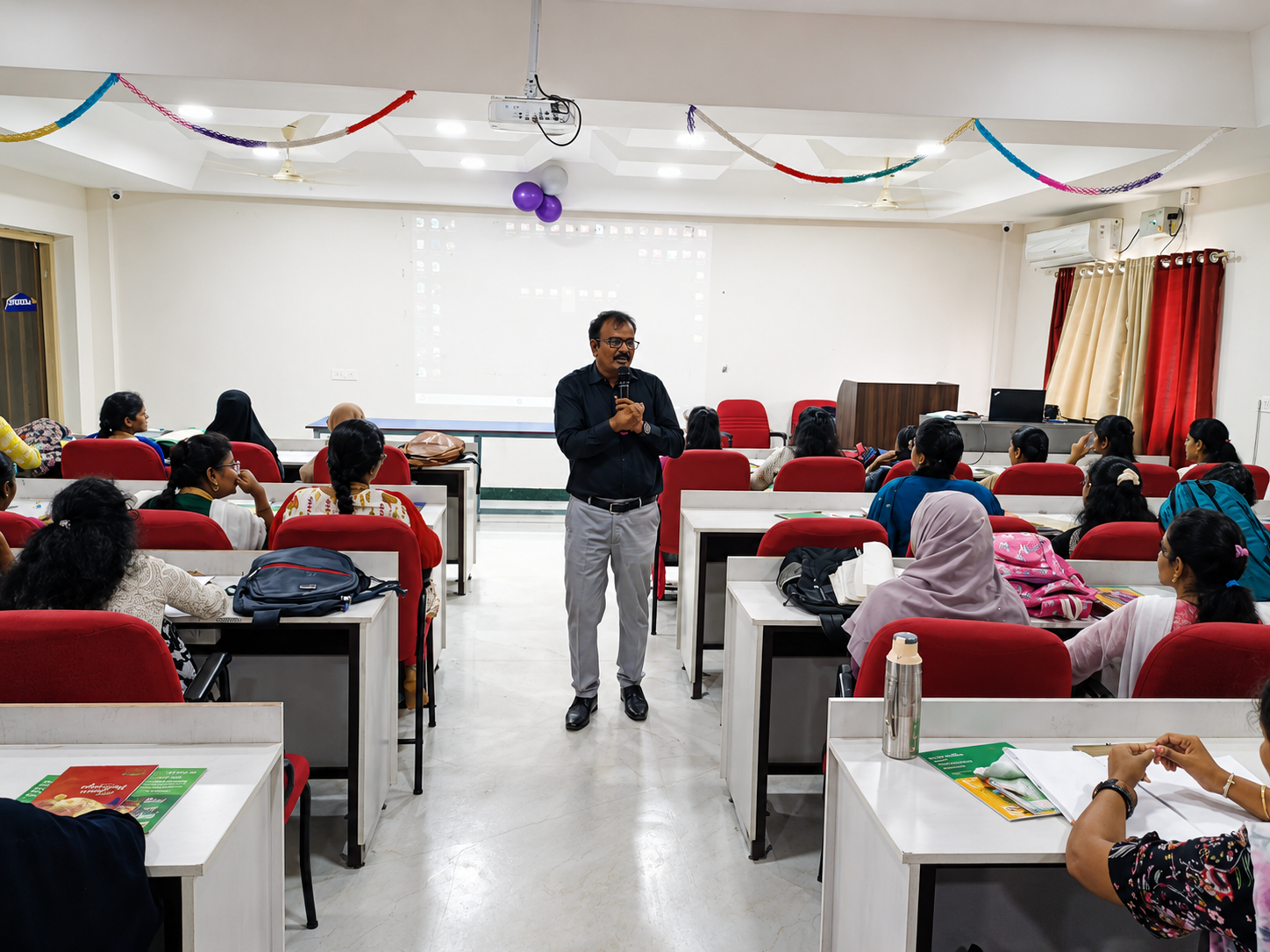
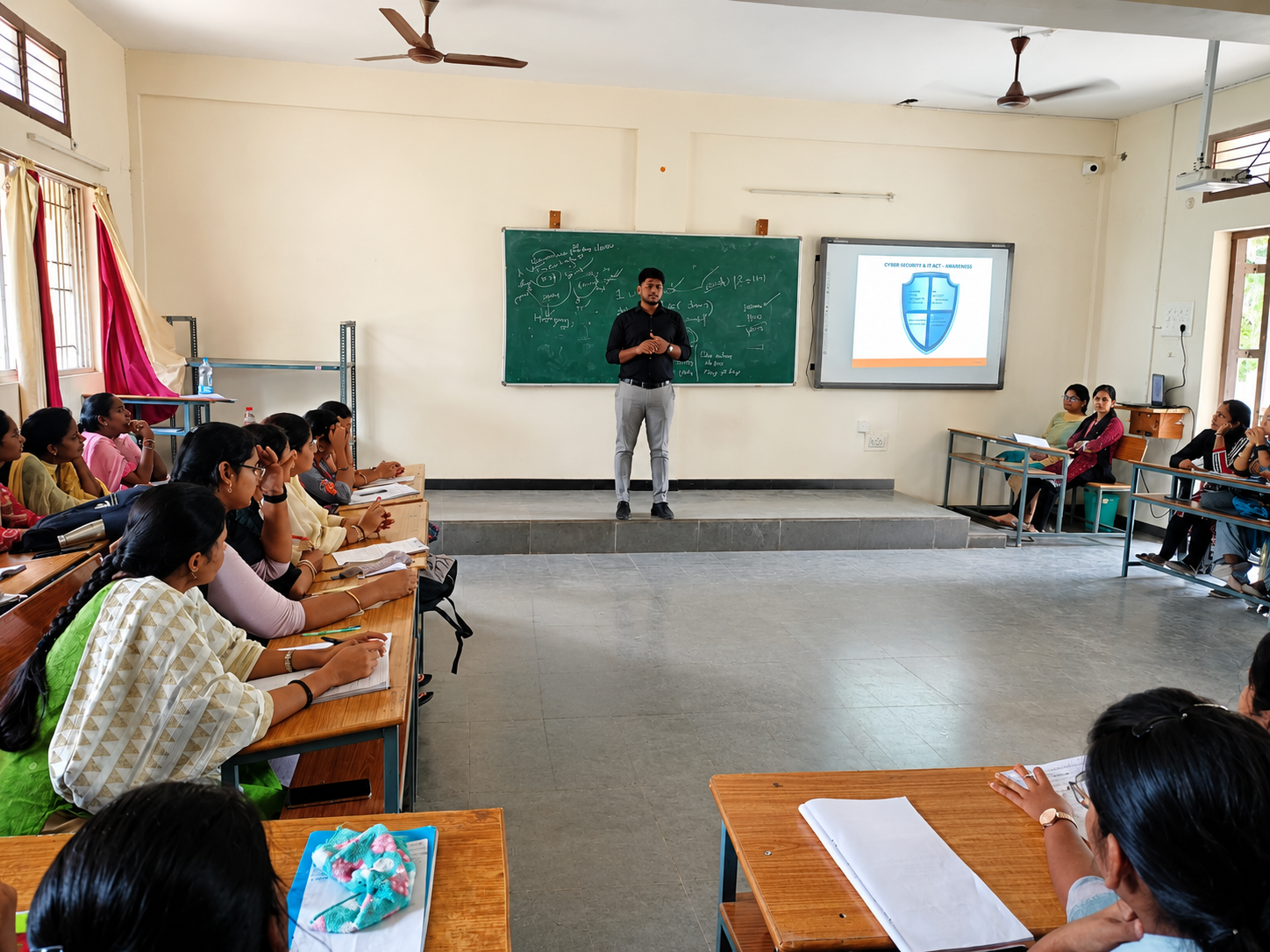
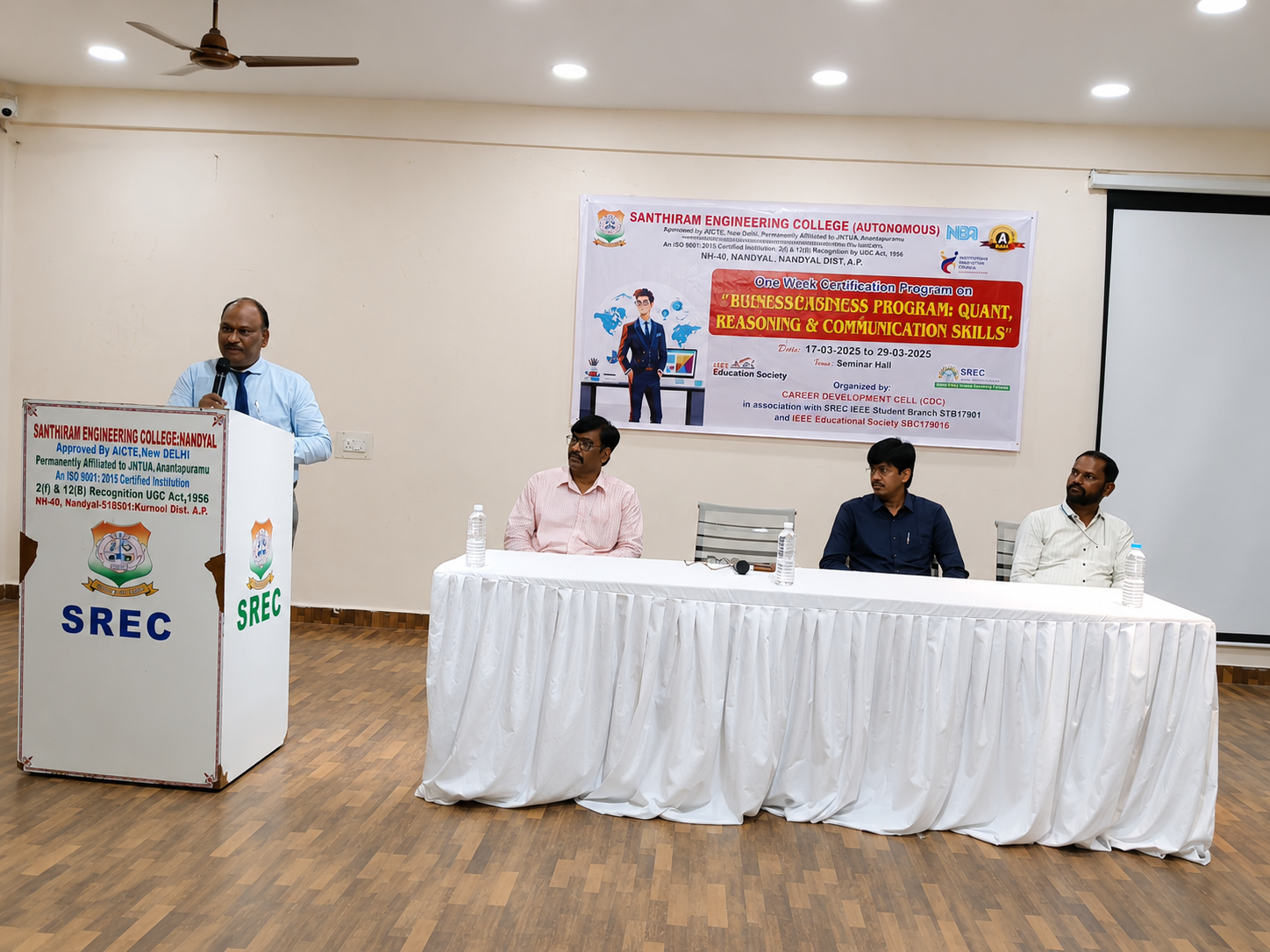
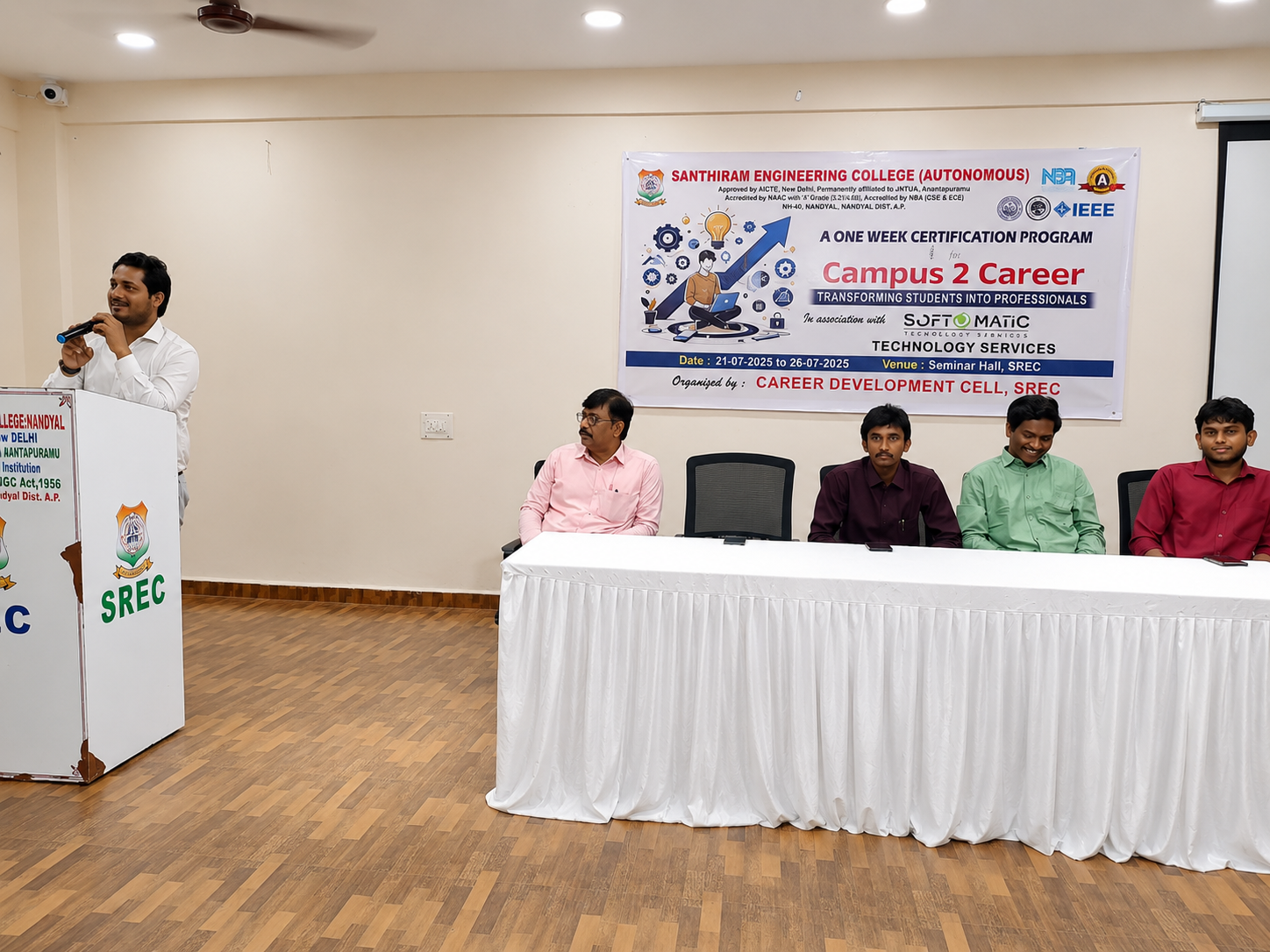
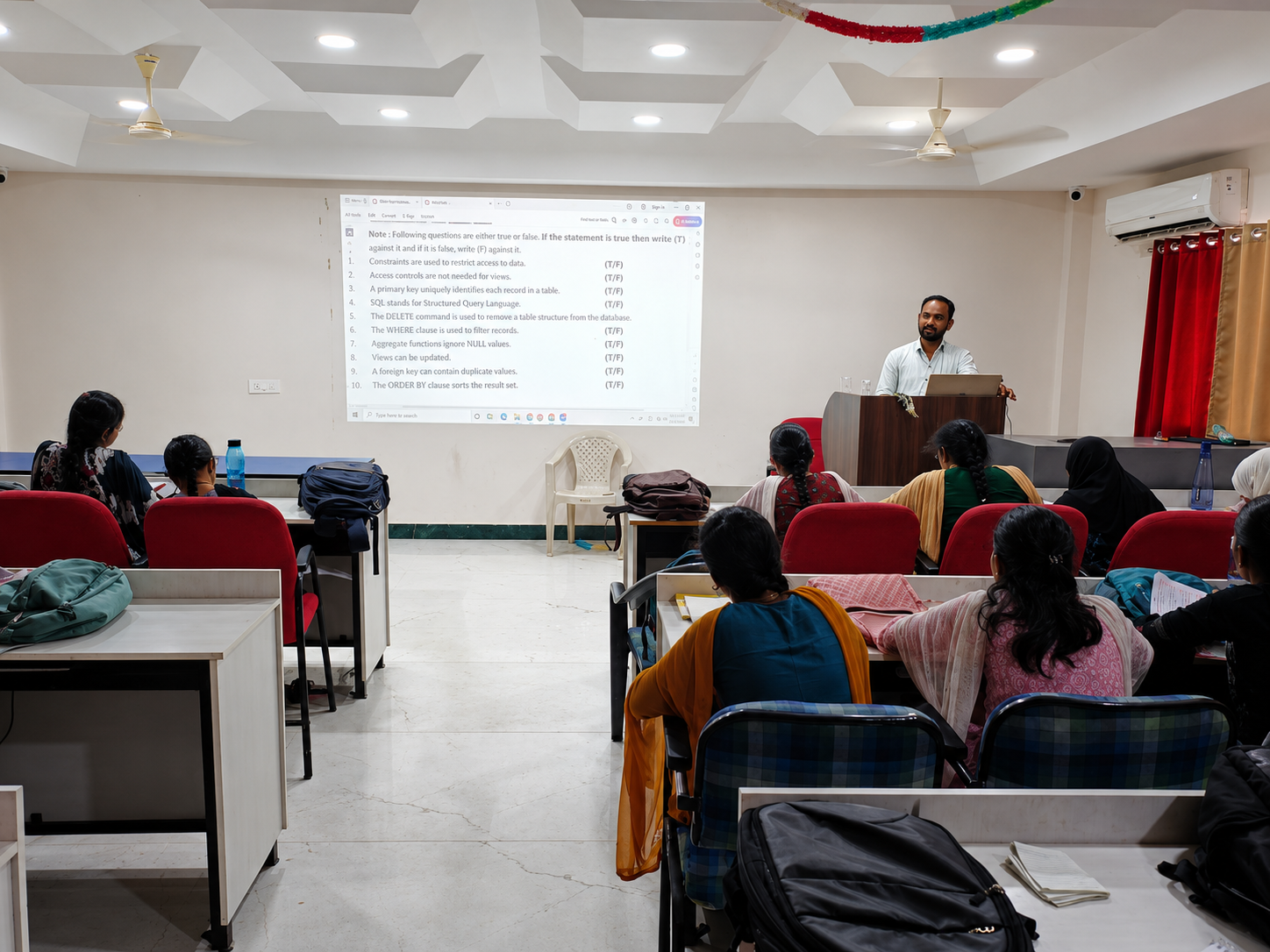
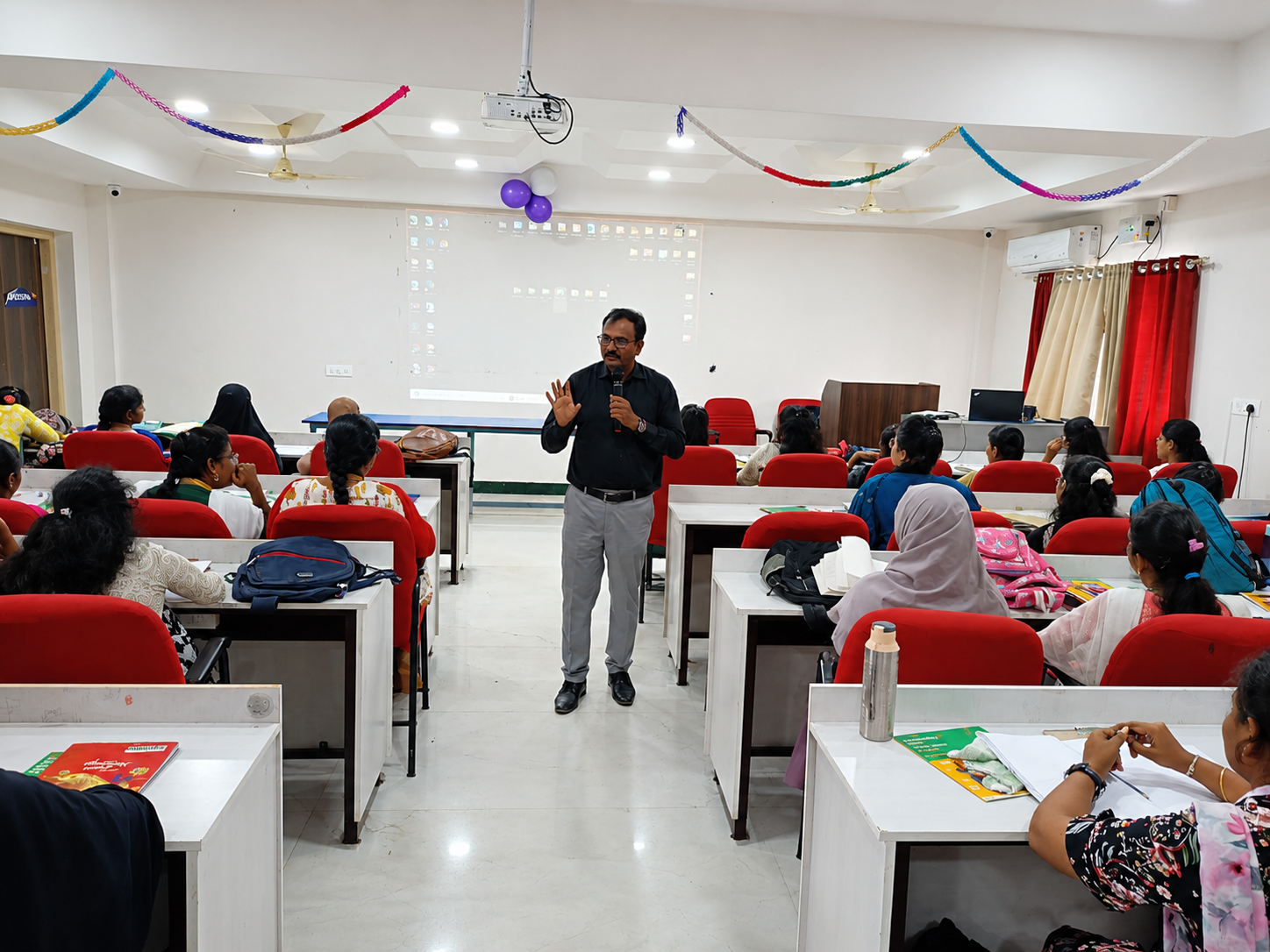
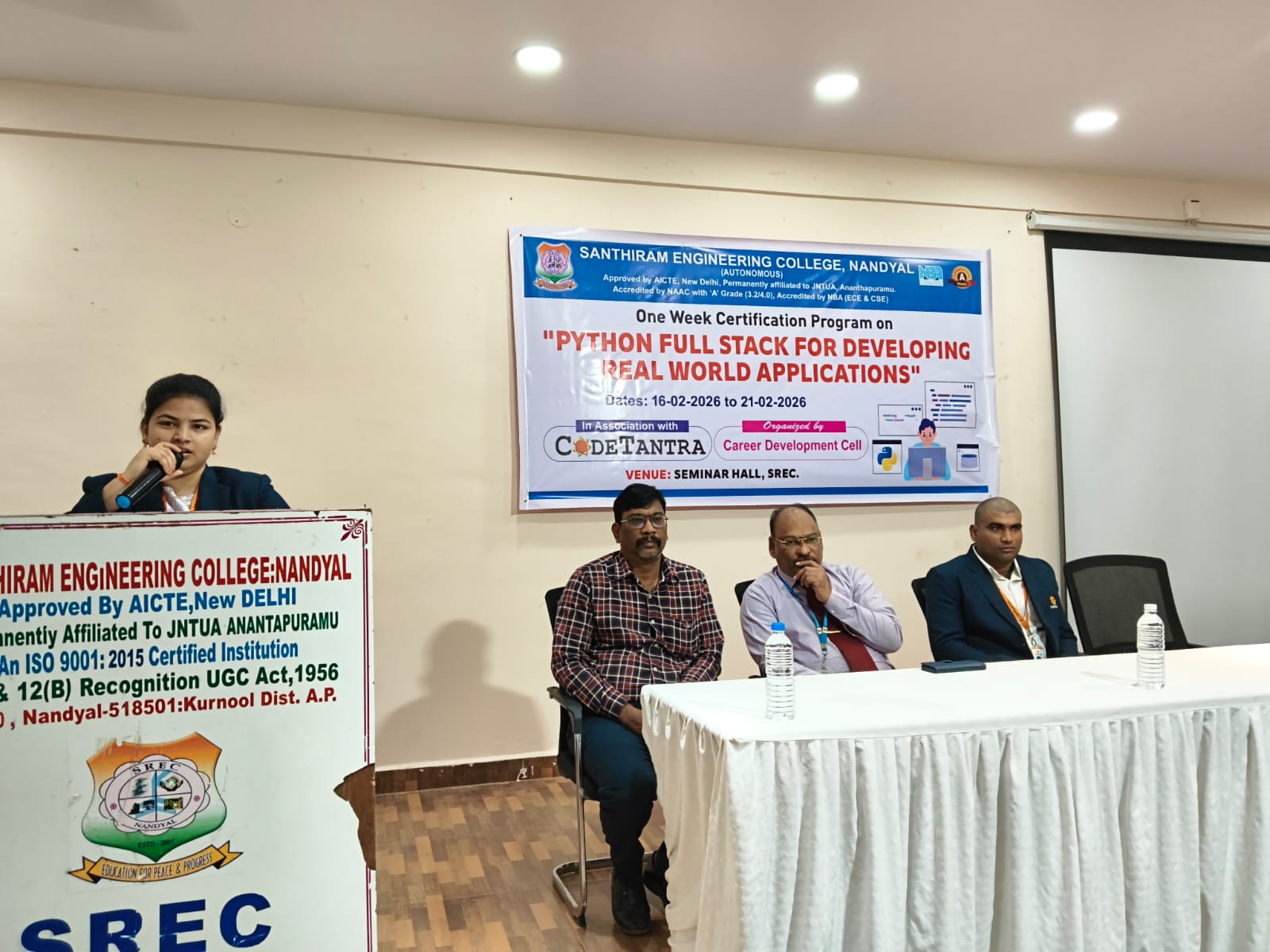
The Training Cell (TC) is a dynamic platform dedicated to students’ holistic development and career readiness. It focuses on building key competencies such as communication skills, coding proficiency, aptitude, logical reasoning, and foreign languages to enhance employability and global exposure.
Through structured training, coding practice, and language programs, the Training Cell equips students with essential technical, analytical, and communication skills.
Beyond these activities, the CDC provides guidance for higher education, including career planning and application support for overseas education, while also promoting entrepreneurship through mentoring and innovation-driven initiatives. It enables students to confidently pursue diverse career paths, including employment, higher studies, and startups.
Training Cell Members
Dr. J. David Sukeerthi Kumar
Dean – Training Cell
Leads the Training Cell with a clear vision of building a
dynamic, skill-driven, and industry-aligned learning ecosystem.
With extensive experience in engineering education, academic
administration, and student training initiatives, he plays a
key role in shaping the institution's training and career
development strategies.
Email :
dcdc@srecnandyal.edu.in
Dr. P. Surendra Babu
Associate Member – Training Cell
Oversees the central operations of the Cell and plays a vital
role in planning, monitoring, and executing major initiatives.
He provides strategic direction in designing training programs
aligned with industry requirements and actively supports
placement readiness activities.
Email :
surendra.ece@srecnandyal.edu.in
Mr. S. Seetha Ramudu
Associate Member – Training Cell
Provides dedicated support in managing and coordinating training
activities. He assists in monitoring internships, seminars,
aptitude, reasoning and coding programs, and placement-related
activities.
Email :
seetharamudu.eee@srecnandyal.edu.in
Mr. K.V. Sai Phani
Associate Member – Training Cell
Takes an active role in tracking and guiding students to ensure
placement readiness. He promotes entrepreneurship, startup
initiatives, innovative thinking and entrepreneurial awareness
programs.
Email :
saiphani.cse@srecnandyal.edu.in
Mr. G. Ramachandrudu
Associate Member – Training Cell
Takes an active role in training, orientation, and foundational
development activities. He ensures effective coordination
between academic departments, training partners, and the
Training Cell.
Email :
ramachandrudu.maths@srecnandyal.edu.in
Roles & Responsibilities
- Design and implement structured training programs to enhance communication, coding, aptitude, reasoning, and foreign language skills.
- Prepare students for campus placements through continuous skill development, assessments, and career readiness initiatives.
- Organize coding practice sessions, aptitude training, and language learning programs to strengthen technical and analytical abilities.
- Provide career guidance, including higher education counselling, entrance exam awareness, and application support.
- Facilitate internships, industry interactions, and collaborations to bridge the gap between academia and industry.
- Promote entrepreneurship and startup culture through mentoring, awareness programs, and innovation-driven activities.
- Monitor student progress and provide personalized guidance to improve employability.
- Coordinate with faculty, trainers, and industry experts to ensure effective execution of training and placement activities.
- Motivate students to actively participate in career development initiatives and build confidence for professional success.
Training Modules
Module 1: Foundation & Core Skills (1st Year)
- Communication Skills (Verbal & Written)
- Basic Programming (C / Python)
- Fundamental Aptitude & Logical Thinking
- Confidence Building Activities
Module 2: Skill Development & Analytical Growth (2nd Year)
- Data Structures & Programming Fundamentals
- Quantitative Aptitude & Logical Reasoning
- Verbal Ability & Technical Communication
- Coding Practice & Problem Solving
- Introduction to Foreign Languages
- Mini Projects / Hands-on Learning
Module 3: Industry Readiness, Projects & Entrepreneurship (3rd Year)
- Advanced Coding & Data Structures and Algorithms
- Core Subject (Branch-Specific) Training
- Resume Building & LinkedIn Profile Development
- Mock Group Discussions & Communication Training
- Internship Preparation & Industry Interaction
- Startup, Entrepreneurship Development and Higher Studies (Innovation, Ideation, Mentoring)
- Minor Projects (Domain-based / Industry-oriented)
Module 4: Placement & Career Preparation (4th Year)
- Advanced Aptitude, Reasoning & Coding Assessments
- Technical & HR Mock Interviews
- Company-Specific Training
- Career Guidance (Higher Studies & Entrepreneurship)
- Startup & Innovation Support
Training Policy
Training Policy for Students (Performance-Based & Conditional Guidelines)
- A minimum of 80% attendance in all training sessions is mandatory to remain eligible for assessments, internships, and placement activities.
- Students will be categorized into levels (Beginner, Intermediate, Advanced) based on diagnostic tests and continuous performance evaluation.
- Progression between levels is strictly based on performance in aptitude, coding, communication, and reasoning assessments.
- Students not meeting the required benchmarks will undergo mandatory remedial training and must clear re-assessments.
- Participation in all assessments, coding practice sessions, and assignments is compulsory, with adherence to timelines.
- Students must demonstrate consistent activity on coding platforms and complete assigned problem sets regularly.
- Completion of mini and minor projects is mandatory to validate practical, technical, and problem-solving skills.
- Eligibility for internships and campus placements will be determined by performance metrics, attendance, and skill competency levels.
- Attendance in mock interviews, group discussions, and career readiness programs is compulsory for placement eligibility.
- Students are expected to maintain discipline, punctuality, and professional conduct; violations may lead to restriction from CDC activities.
- High-performing students will be offered advanced training, competitive programming support, and priority access to placement opportunities.
- All students must actively engage in career development activities, including resume building, higher education guidance, and entrepreneurship initiatives, as directed by the Training Cell.
- Minimum 80% attendance is mandatory.
- Students will be categorized into levels based on performance.
- Progression depends on assessments and evaluations.
- Remedial training is mandatory for low performers.
- Participation in assessments and coding practice is compulsory.
- Students must maintain coding platform activity.
- Mini and minor projects are mandatory.
- Internship and placement eligibility depends on performance.
- Mock interviews and GD participation is compulsory.
- Students must maintain discipline and professionalism.
- High performers receive advanced training opportunities.
- Career development activities are mandatory.