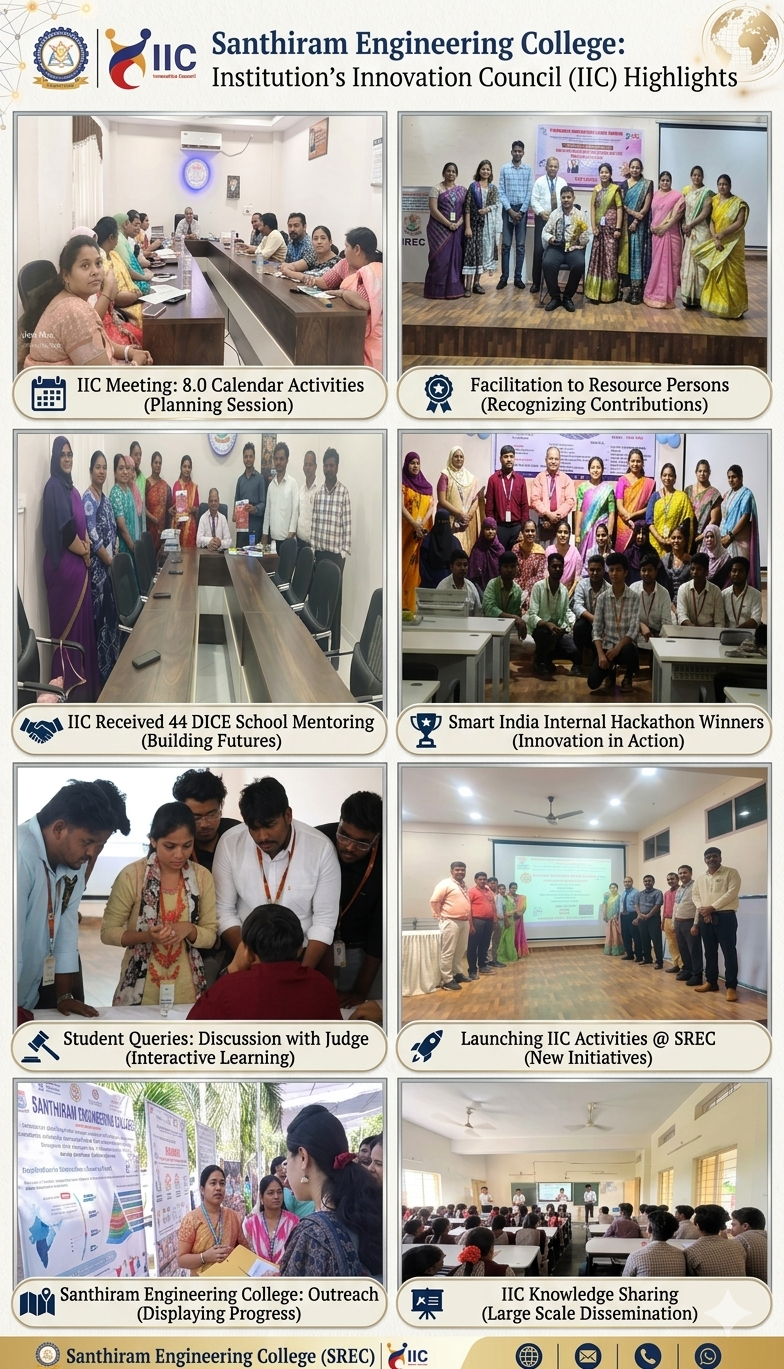
💡 About IIC
📘 Institution’s Innovation Council (IIC)
The Institution’s Innovation Council (IIC) is established as per the guidelines of Ministry of Education Innovation Cell to promote a culture of innovation, entrepreneurship, and problem-solving among students and faculty. The council focuses on nurturing creative ideas, supporting startups, and building an innovation-driven ecosystem within the institution through continuous mentoring and industry interaction.
The IIC was established in 2022 and has shown steady progress in its performance, initially securing a 3.5-star rating and improving to a 4-star rating in the academic year 2023–24, reflecting its commitment towards strengthening innovation and entrepreneurship activities.
🔷 Vision
To foster a vibrant ecosystem that promotes innovation, creativity, and entrepreneurship, transforming ideas into impactful solutions for societal and technological advancement.
🔷 Mission
- To create awareness and interest in innovation and entrepreneurship among students and faculty through regular programs and activities.
- To support the development of innovative ideas into prototypes, products, and startups through mentoring and incubation.
- To collaborate with industries, alumni, and external experts for knowledge sharing and real-time problem solving.
- To encourage participation in national innovation initiatives, competitions, and startup programs.
- To promote intellectual property creation, ethical practices, and commercialization of innovative solutions.
Roles and Responsibilities of IIC
- To promote a culture of innovation, creativity, and entrepreneurship among students and faculty.
- To organize workshops, seminars, hackathons, and awareness programs on innovation, startups, and design thinking.
- To identify and support innovative ideas and guide students in developing prototypes and real-time solutions.
- To facilitate incubation support, startup mentoring, and connect students with funding agencies and industry experts.
- To encourage participation in national initiatives, innovation challenges, and entrepreneurship development programs.
- To coordinate activities related to Intellectual Property Rights (IPR) and promote patent awareness and filing.
- To conduct regular meetings to plan, review, and monitor innovation and startup activities within the institution.
- To maintain documentation and reports of all IIC activities for institutional development and accreditation purposes.
- To promote collaboration with industries, alumni, and external experts for knowledge sharing and mentorship.
- To create awareness through social media and other platforms about innovation activities and achievements.
IIC Committee Members
| Sr. No. |
Name of Member |
Member Type |
Role / Position |
| 1 | Dr.M.V. Subramanyam | Principal | Convener |
| 2 | Dr. Sowmya Gali | Dean R&D and IPR | Vice President |
| 3 | Dr. A. K. Neeraja Rani | HMBA | NIRF Coordinator |
| 4 | Dr. S. Jeelan Basha | Chemistry | Innovation Activity Coordinator |
| 5 | Dr. Bala Theja | Physics | Member |
| 6 | Ms. V. Nagamani | ECE | Startup Coordinator |
| 7 | Mr. M. Mahesh Kumar | ECE | ARIIA Coordinator |
| 8 | Ms. M. Sharmila Devi | CSE | IPR Coordinator |
| 9 | Ms.B.Alekya Himabindu | ECE | Internship Coordinator |
| 10 | Ms. S. Jayamangala | ECE | Social Media Coordinator |
| 11 | Mr. P. Nagaraju | BS | Celebration Coordinator |
| 12 | Ms. S. Shakila Banu | MCA | Member |
| 13 | Ms. P. Lavanya | English | Member |
| 14 | Ms. Sadiya Fathima | CSE-DS | Member |
| 15 | Ms. Pavani | CSE-AIML | Member |
| 16 | Dr. P. Surendra Babu | ECE | Member |
| 17 | Puli Vijaya Pavan | External Expert | Startup Entrepreneur |
| 18 | Dr. M. Vadivel | External Expert | VJIT |
| 19 | Dr.ANPP Anantha Lakshmi | External Expert | St. Johns College |
📌 Key Framework Highlights & Recommendations
- Each quarter’s activities are assigned weights so the cumulative annual score is 0–1 for benchmarking and continuous improvement.
- Levels of Activities (mix of online, offline, hybrid):
- Level 1: Talks, Mentoring (2–4 hrs)
- Level 2: Workshops, Seminars (5–8 hrs)
- Level 3: Competitions, Bootcamps (9–18 hrs)
- Level 4: Hackathons, Tech Fests (>18 hrs)
- Quantified KPIs ensure measurable progress.
- Cross-linkages between quarters (e.g., Q1 winners → Q2/Q3 mentoring).
- Strong integration with industry, alumni, and startup ecosystem.
- IIC Calendar contributes 40% of Activity Score (Activity Score = 80% of Star Rating).
- Each quarter carries a maximum weightage of 0.25.
Weight Calculation:
Level 1/2 → 1 point (Offline), 0.75 (Online)
Level 3/4 → 1.67 (Offline), 1.25 (Online)
| Quarter |
Minimum Activities |
Max Weight per Quarter |
| Q1 |
≥5 |
0.25 |
| Q2 |
≥5 |
0.25 |
| Q3 |
≥5 |
0.25 |
| Q4 |
≥5 |
0.25 |
| Total |
≥20 |
1.0 |
* All activities must be documented in the IIC portal and reviewed quarterly by HEI leadership for continuous improvement.
** Additional activities beyond minimum requirements will earn extra points and contribute to the remaining 20% performance score.
📅 Activities & Events
Activities & Events
Semester -1 (September 2025 – February 2026)
Quarter 1 (1st September - 30th November)
Thrust Area: Inspiration, Motivation, and Ideation
| S.No |
Activity Name / Description |
Level |
Mode |
Key Outputs |
KPIs (Metrics) |
Weightage |
| 1 |
Awareness Workshop: Entrepreneurship & Innovation as Career Opportunities |
1 / 2 |
Offline / Online |
No. of participants; Ideas submitted |
≥60% students sensitized; ≥20 ideas/session; ≥25% new participants |
0.03 |
| 2 |
My Story / Motivational Sessions by Entrepreneurs |
1 / 2 |
Offline / Online |
Attendance; Engagement |
≥80% feedback rating; ≥5 sessions/quarter |
0.04 |
| 3 |
Boot Camp on Problem Solving / Ideation |
2 / 3 |
Offline / Online |
No. of solutions; Multi-disciplinary teams |
≥10 teams formed |
0.05 |
| 4 |
Workshop on AI & Industry 4.0 Tools |
1 / 2 |
Offline / Online |
Attendance; Engagement |
≥80% feedback rating; ≥5 sessions |
0.04 |
| 5 |
IPR Basics for Innovators |
1 / 2 |
Offline / Online |
No. of attendees; IP registrations |
≥30% show IP interest |
0.04 |
| 6 |
Session on Problem–Solution Fit |
1 / 2 |
Offline / Online |
No. of solutions; Team diversity |
≥10 multi-disciplinary teams |
0.04 |
| 7 |
Inter/Intra Institutional Hackathon |
3 / 4 |
Offline / Online |
No. of entries; Shortlisted ideas |
≥50 entries; ≥10 ideas to next phase |
0.05 |
| 8 |
Demo Day / Idea Showcase |
3 / 4 |
Offline / Online |
No. of showcases; Mentorships |
≥20 PoCs; ≥15 mentored |
0.05 |
Quarter 2 (1st December 2025 – 28th February 2026)
Thrust Area: Validation and Concept Development
| S.No |
Activity Name / Description |
Level |
Mode |
Key Outputs |
KPIs (Metrics) |
Weightage |
| 1 |
Workshop on Design Thinking, Critical Thinking & Innovation Design |
2 / 3 |
Offline / Online |
Ideas validated (TRL 1–4); Teams shortlisted |
≥10 ideas validated; Uploaded to YUKTI |
0.05 |
| 2 |
Innovation & Entrepreneurship Outreach Program in Schools |
1 / 2 |
Offline |
No. of outreach programs; Engagement frequency |
Regular outreach activities conducted |
0.04 |
| 3 |
AI & Innovation Sprints: Rapid Prototyping |
1 / 2 |
Offline / Hybrid |
No. of prototypes; Sprint events |
≥3 sprint events; Prototypes uploaded to YUKTI |
0.04 |
| 4 |
Expert Talk on TRL, MRL, IRL, IP Commercialization |
1 / 2 |
Offline / Online |
Attendance; Tech transfer plans |
≥80% feedback; ≥1 tech transfer plan |
0.04 |
| 5 |
Workshop on Sales & Marketing Strategies for Startups |
1 / 2 |
Offline / Online |
Teams with marketing plans / BMC |
Improved startup readiness |
0.04 |
| 6 |
Field Visit to Pre-Incubation Units (AICTE Idea Lab, Fab Lab, MSME) |
2 / 3 |
Offline |
No. of visits; Partnerships |
≥2 visits; ≥1 collaboration |
0.05 |
| 7 |
Innovation Competition / Hackathon (YUKTI) |
3 / 4 |
Offline / Hybrid |
No. of entries; Winning ideas |
≥25 entries; ≥5 uploaded to YUKTI |
0.05 |
| 8 |
Innovation Showcase (Demo Day / Exhibition) |
3 / 4 |
Offline / Hybrid |
No. of prototypes; Mentor connections |
≥10 prototypes; ≥6 mentored |
0.05 |
Semester II (March 2026 – August 2026)
Quarter 3 (1st March – 31st May)
Thrust Area: Prototype, Design, Business Model Development
| S.No |
Activity Name / Description |
Level |
Mode |
Key Outputs |
KPIs (Metrics) |
Weightage |
| 1 |
Workshop on Product-Market Fit & MVP Development |
2 / 3 |
Offline / Online |
Functional prototypes developed/tested |
Prototypes uploaded to YUKTI Repository |
0.04 |
| 2 |
Workshop on Business Model Canvas (BMC) |
2 / 3 |
Offline / Online |
No. of BMC presentations |
≥7 business models presented & uploaded |
0.04 |
| 3 |
AI-Powered Solution Expo (Demo Days) |
1 / 2 |
Offline / Online |
No. of AI solutions showcased |
Solutions uploaded to repository |
0.04 |
| 4 |
Field Visit to Incubation / Patent Centers |
1 / 2 |
Offline |
No. of visits; Partnerships |
≥1 new linkage established |
0.04 |
| 5 |
Session on Startup Legal & Ethical Steps |
1 / 2 |
Offline / Online |
Attendance; Legal awareness |
≥80% post-session knowledge score |
0.02 |
| 6 |
Workshop on Raising Capital & Finance |
1 / 2 |
Offline / Online |
Fundraising plans by teams |
≥5 teams prepare plans |
0.02 |
| 7 |
Workshop on IPR & IP Management |
1 / 2 |
Offline / Online |
No. of IP filings |
≥3 IP applications per quarter |
0.02 |
| 8 |
B-Plan Competition (Best Innovation Awards) |
3 / 4 |
Offline / Hybrid |
No. of entries; Awards |
≥15 entries; 2 teams awarded |
0.05 |
| 9 |
Mentoring Event: Demo Day / Poster Presentation |
3 / 4 |
Offline / Hybrid |
No. of teams mentored |
≥5 teams mentored; strong pitch outcomes |
0.05 |
Quarter 4 (1st June 2026 – 31st August 2026)
Thrust Area: Start-up Ecosystem & Scale Up
| S.No |
Activity Name / Description |
Level |
Mode |
Key Outputs |
KPIs (Metrics) |
Weightage |
| 1 |
Session on Innovation/Prototype Validation & Value Proposition Fit |
2 / 3 |
Offline / Online |
Teams ready for startup launch/pitch |
≥3 teams pitch-ready; uploaded to YUKTI |
0.04 |
| 2 |
Workshop on AI for Fundraising & Investor Pitch |
1 / 2 |
Offline / Online |
Investor decks; AI usage |
≥2 decks ready; ≥1 AI tool used |
0.02 |
| 3 |
Session on Accelerators & Incubation Opportunities |
1 / 2 |
Offline / Online |
Startup linkages |
≥2 incubation connections |
0.02 |
| 4 |
Lean Start-up & MVP Boot Camp |
1 / 2 |
Offline / Online |
MVPs developed |
≥3 MVPs built |
0.04 |
| 5 |
Session on Angel Investment / VC Funding |
1 / 2 |
Offline / Online |
Investor connections |
≥2 investor introductions |
0.04 |
| 6 |
Panel Discussion with Startup Ecosystem Enablers |
1 / 2 |
Offline / Online |
Partnerships formed |
≥2 ecosystem collaborations |
0.02 |
| 7 |
Innovation & Entrepreneurship Outreach Program |
1 / 2 |
Offline / Hybrid |
Outreach programs |
≥2 new community engagements |
0.02 |
| 8 |
Start-up Competition (Inter/Intra Institutional) |
3 / 4 |
Offline / Hybrid |
No. of startup entries |
≥10 teams; 2 awarded |
0.05 |
| 9 |
Mentoring Demo Day / Startup Exhibition |
3 / 4 |
Offline / Hybrid |
Startups mentored |
≥3 startups connected to mentors |
0.05 |
🏆 Achievements
🔷 Achievements (IIC)
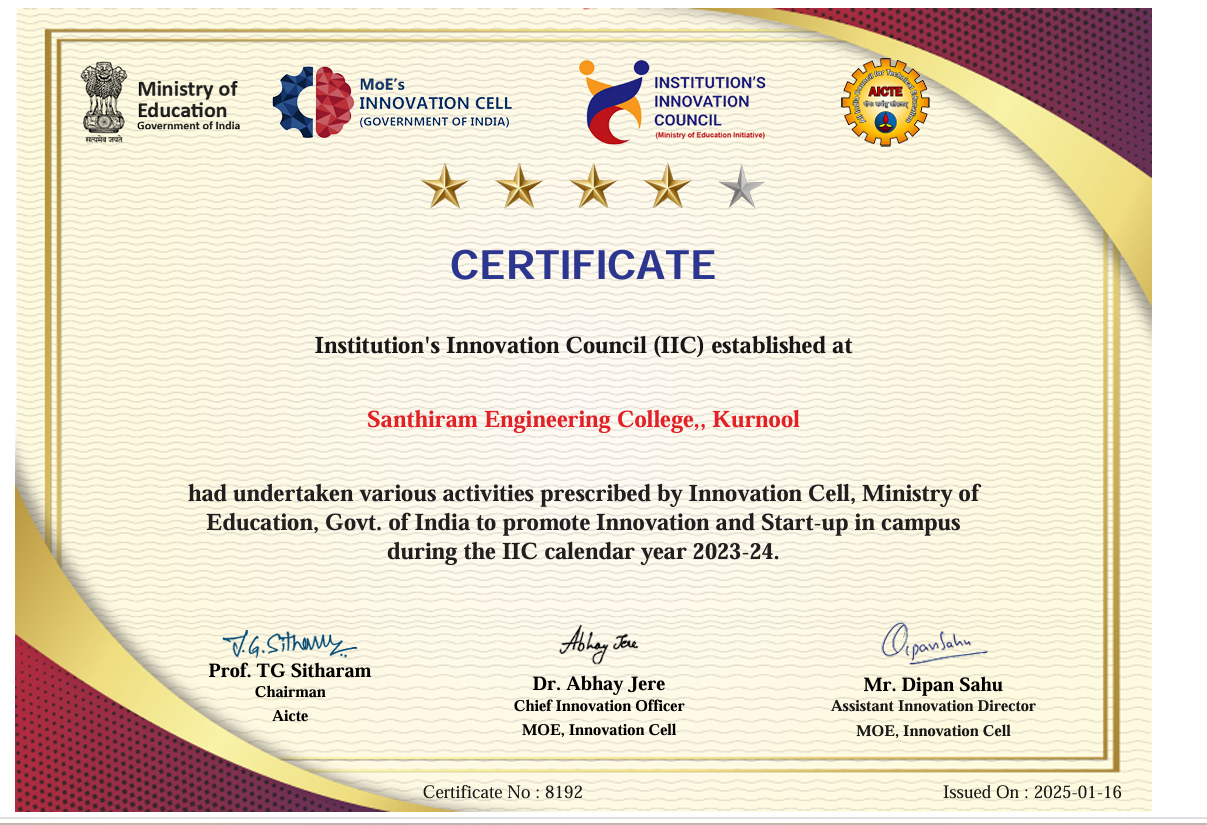
4-Star Rating (IIC 7.0)
Recognized for strong performance in innovation and entrepreneurship activities.
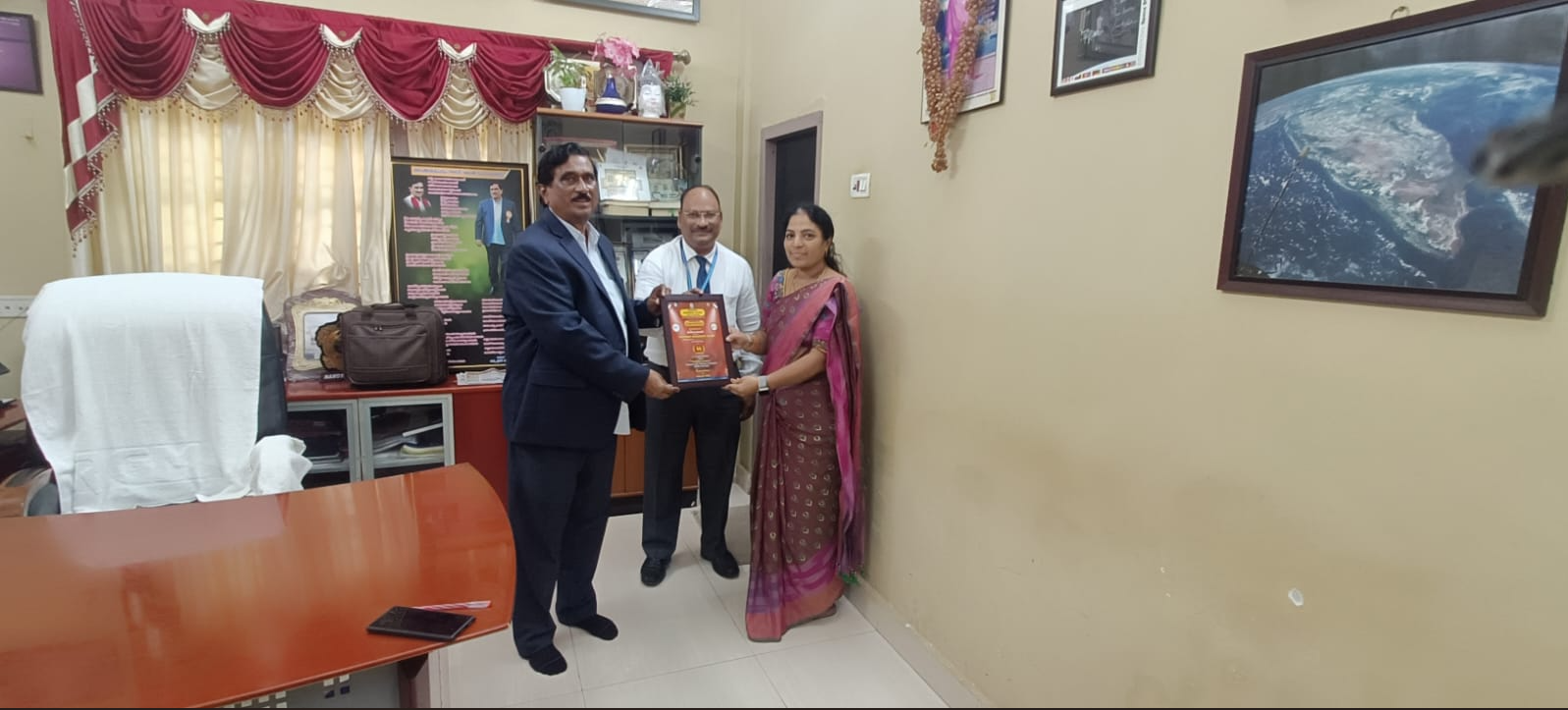
Mentor Institution
Guiding 44 DISE Schools under IIC initiative.
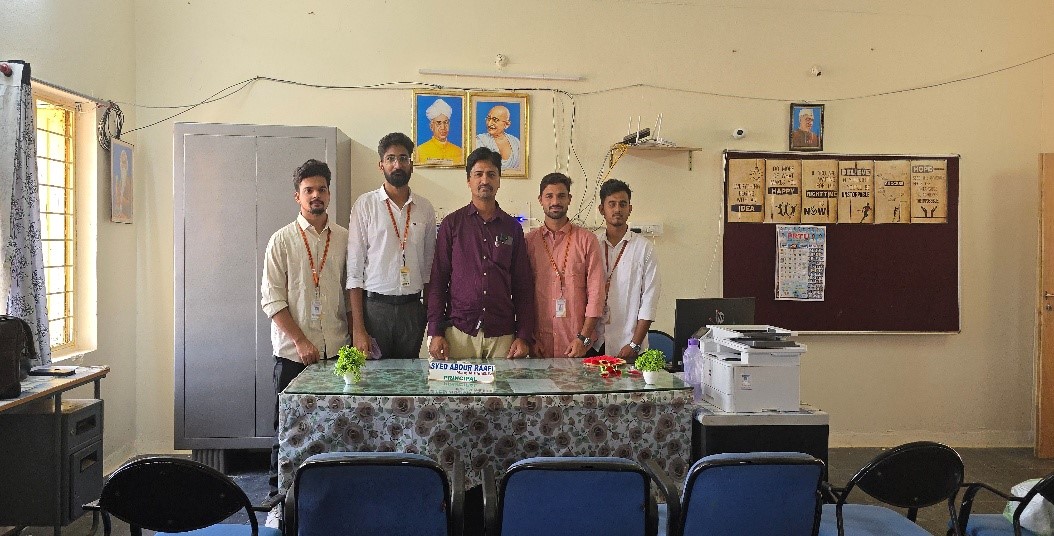
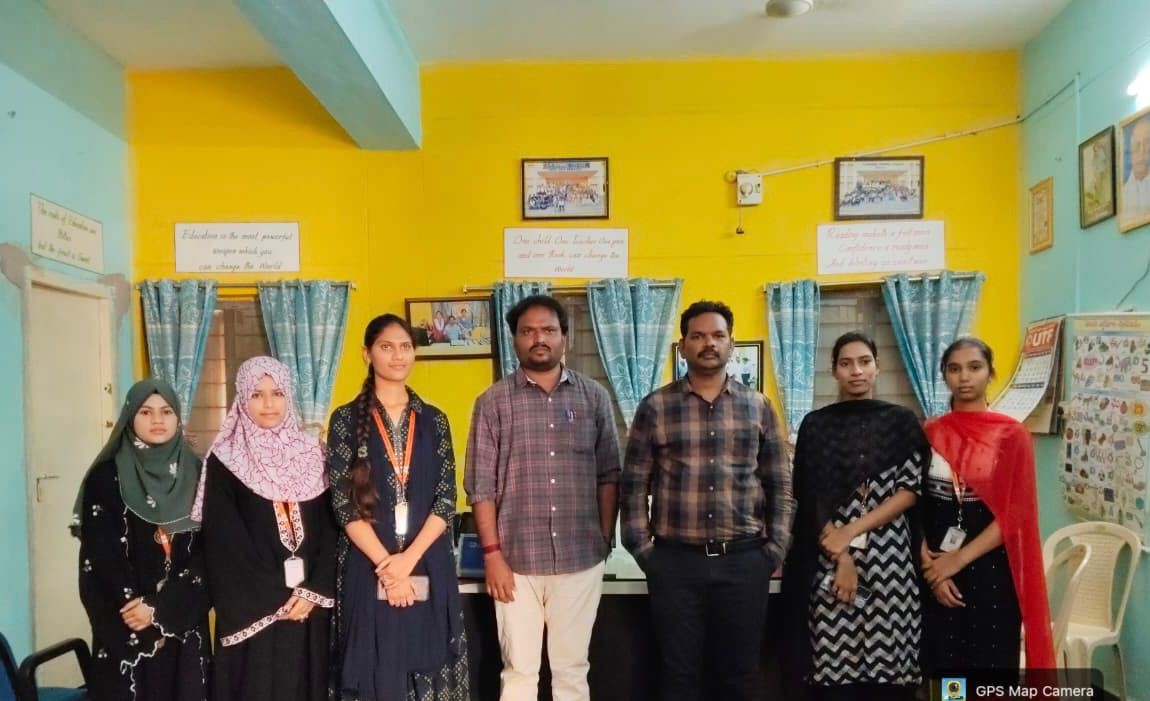
ATAL Labs
Monitoring and supporting 3 ATL Schools (AP Model School Bandiatmakur).
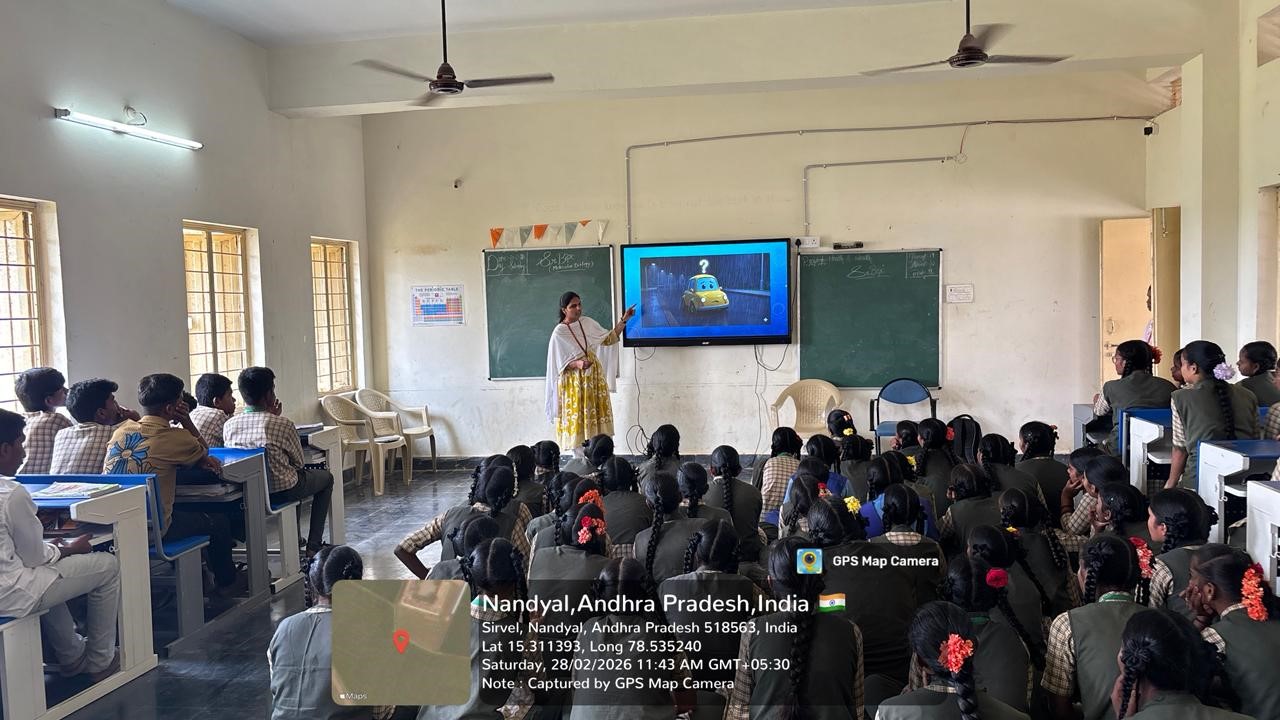
ATAL Labs
Monitoring and supporting 3 ATL Schools.(AP Model School Panyam)
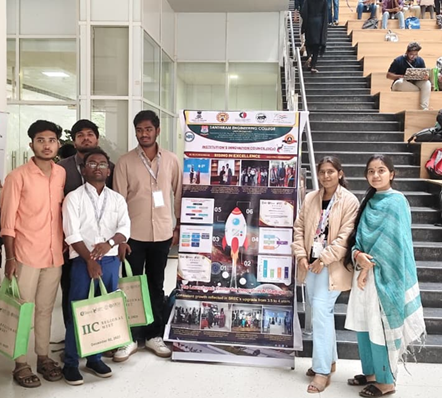
ATAL Labs
Monitoring and supporting 3 ATL Schools. (AP Model school Sirvella)
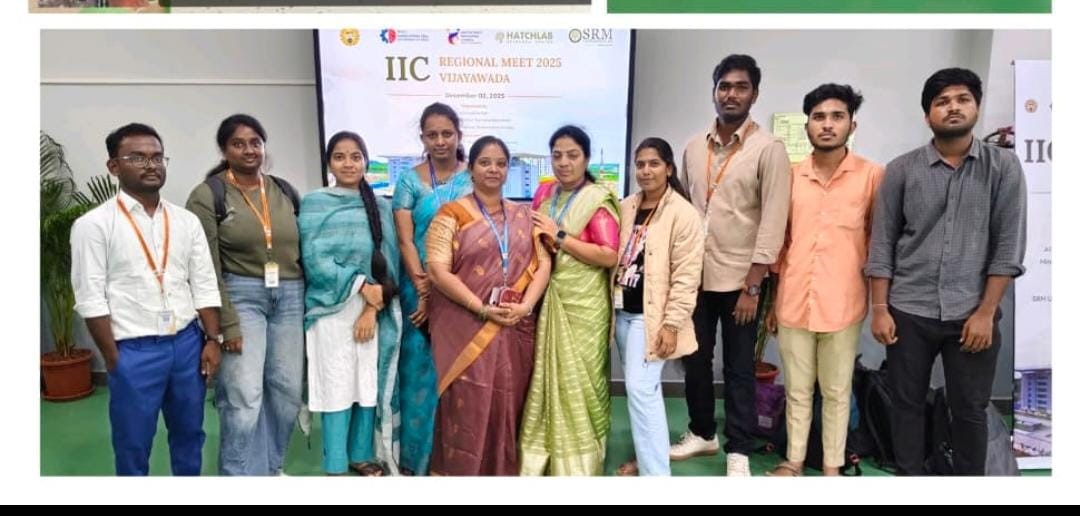
AICTE Fellowship
5 students shortlisted.
YUKTI Challenge
4 students shortlisted (IIC 7.0).
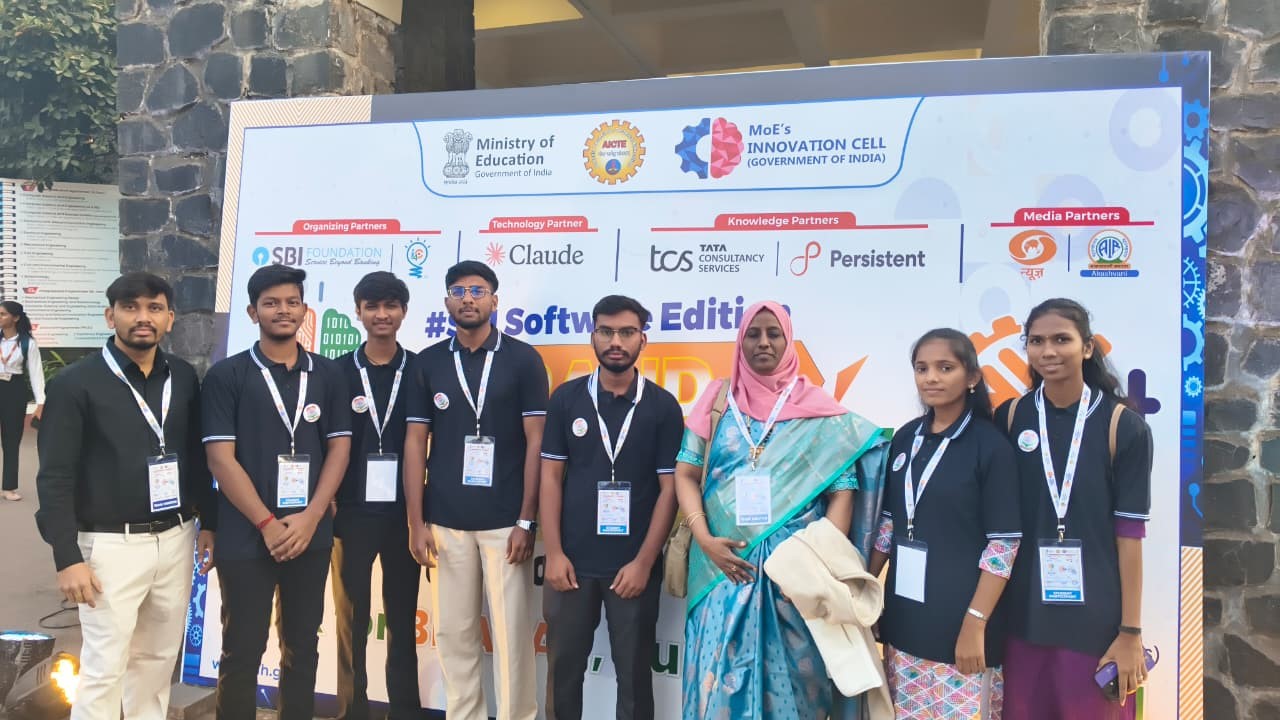
Smart India Hackathon
1 student shortlisted (2024–25).
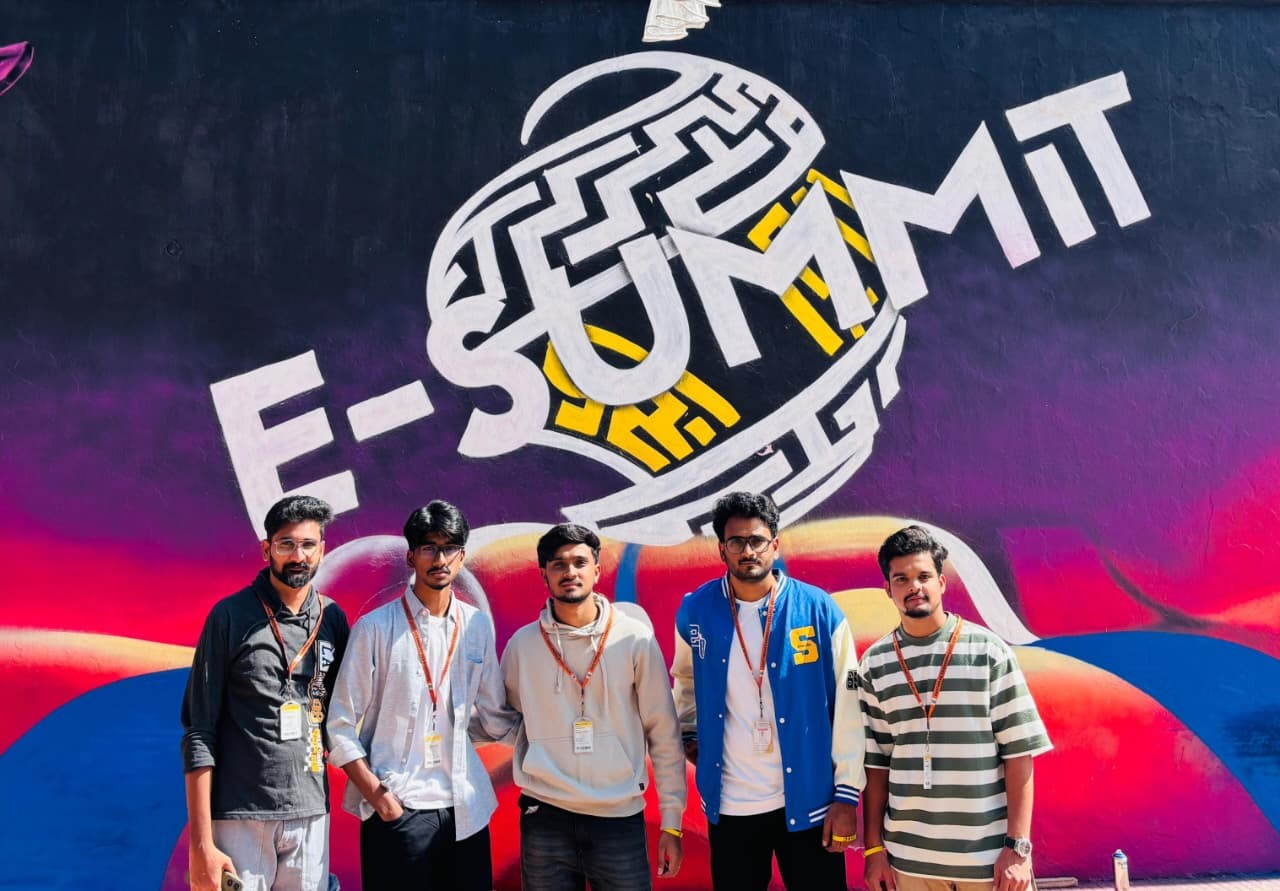
IIT Bombay Achievement
One team secured 1st place in entrepreneurship program.
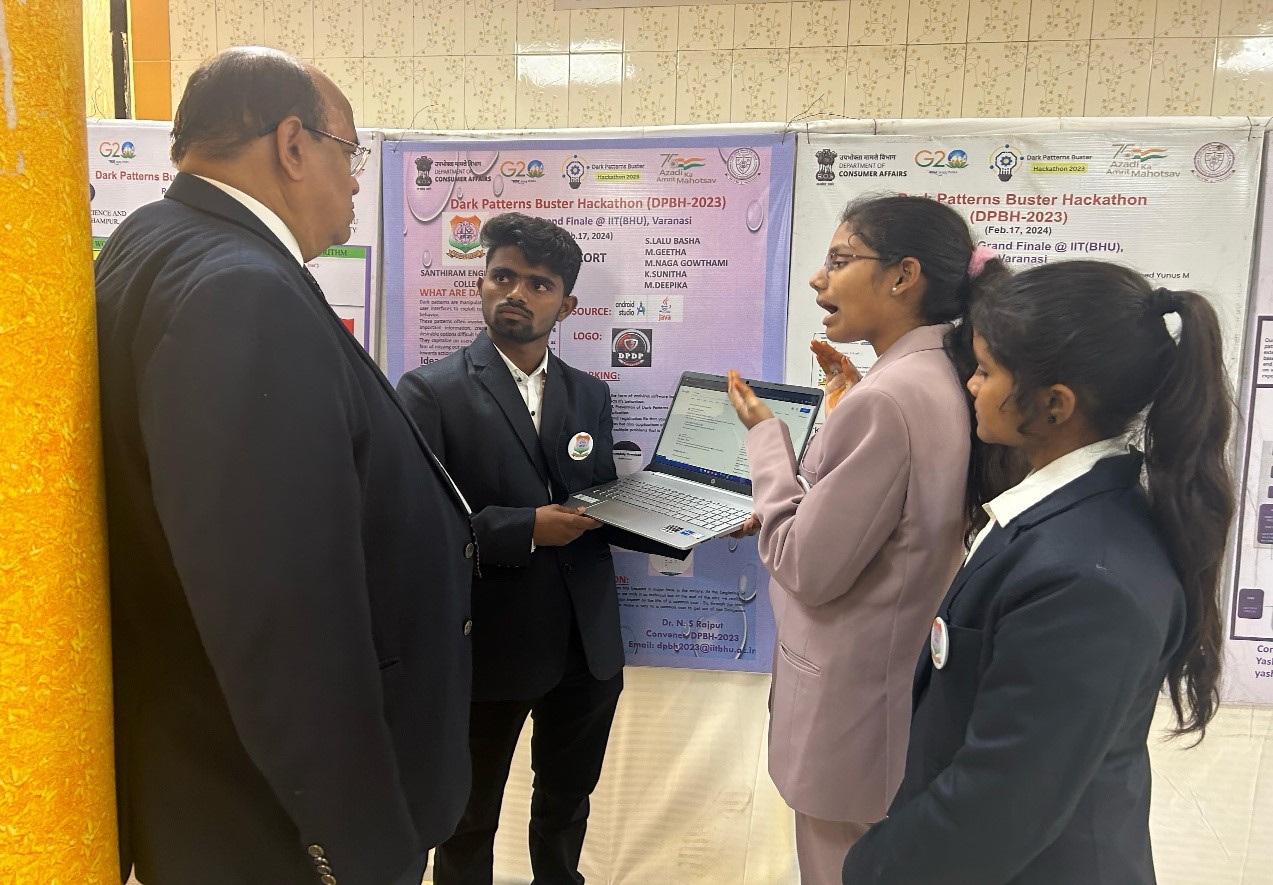
Dark Patterns Hackathon
One team participated in national-level hackathon.
🖼️ I & E policy
Innovation and Entrepreneurship Policy
Vision
To cultivate a vibrant ecosystem that empowers individuals and organizations to pioneer innovative solutions and entrepreneurial ventures, driving sustainable economic growth and societal advancement on a global scale.
Mission:
-
Foster Creativity and Innovation:
Promote a culture of creativity and innovation by providing resources, education, and support to individuals and organizations seeking to develop novel ideas and technologies.
-
Empower Entrepreneurs:
Equip aspiring entrepreneurs with the tools, mentorship, and funding necessary to transform innovative ideas into successful and scalable businesses.
-
Enhance Collaboration and Networking:
Build strong networks and partnerships among academia, industry, government, and the community to encourage knowledge exchange, collaboration, and co-creation of innovative solutions.
-
Support Sustainable Development:
Encourage innovation and entrepreneurship that aligns with sustainable development goals, focusing on creating solutions that benefit society and the environment.
-
Promote Inclusivity and Accessibility:
Ensure that innovation and entrepreneurial opportunities are accessible to diverse populations, including underrepresented groups, fostering an inclusive environment where all can contribute and thrive.
-
Facilitate Policy and Regulatory Support:
Advocate for and implement policies and regulations that create a favorable environment for innovation and entrepreneurship, reducing barriers and encouraging experimentation and growth.
-
Drive Economic Growth:
Leverage innovation and entrepreneurship as key drivers of economic development, generating employment, enhancing competitiveness, and positioning the region as a global leader in technology and business innovation.
These vision and mission statements provide a clear direction for an Innovation and Entrepreneurship Policy, focusing on creating an enabling environment that supports and sustains innovative ideas and entrepreneurial ventures.
Objectives:
A. Objectives of the Innovation and Entrepreneurship Policy
-
Encourage Research and Development (R&D):
- Promote investment in R&D activities across various sectors to drive the creation of innovative products, services, and technologies.
- Support the establishment of research centers and innovation labs in academic institutions and industries.
-
Facilitate Access to Funding and Resources:
- Provide access to diverse funding sources, including venture capital, angel investors, government grants, and crowdfunding platforms for startups and innovators.
- Offer incentives such as tax breaks, subsidies, and grants to encourage investment in innovation and entrepreneurship.
-
Build Entrepreneurial Skills and Mindset:
- Implement educational programs and workshops that develop entrepreneurial skills, including business planning, financial management, and leadership.
- Integrate entrepreneurship education into the curriculum at all levels of the education system.
-
Enhance Industry-Academia Collaboration:
- Foster partnerships between academic institutions, industries, and government bodies to encourage the commercialization of research and innovative ideas.
- Establish technology transfer offices to facilitate the patenting and licensing of academic research.
-
Support Startups and Small and Medium Enterprises (SMEs):
- Create incubators, accelerators, and co-working spaces that provide startups with the necessary infrastructure, mentorship, and networking opportunities.
- Simplify regulatory processes and reduce bureaucratic hurdles to enable easier startup formation and operation.
-
Promote Sustainable and Social Entrepreneurship:
- Encourage the development of businesses that address social and environmental challenges, promoting the adoption of sustainable practices.
- Support initiatives that focus on social innovation, aiming to improve the quality of life in underserved communities.
-
Foster a Culture of Innovation:
- Cultivate a societal mindset that values creativity, risk-taking, and continuous learning as key components of innovation.
- Recognize and celebrate innovation and entrepreneurship achievements through awards, competitions, and public recognition.
-
Leverage Technology and Digital Transformation:
- Promote the adoption of cutting-edge technologies such as AI, IoT, blockchain, and renewable energy to drive innovation across sectors.
- Support digital literacy initiatives to ensure that entrepreneurs have the skills to utilize technology effectively.
-
Encourage Global Competitiveness:
- Facilitate access to international markets for startups and SMEs by providing support in areas such as export promotion, trade partnerships, and international networking.
- Promote the region as a hub for innovation and entrepreneurship on the global stage through strategic marketing and international collaborations.
-
Ensure Inclusivity and Diversity:
- Ensure that innovation and entrepreneurship opportunities are accessible to all, including women, minorities, and economically disadvantaged groups.
- Implement targeted programs that support underrepresented groups in entrepreneurship.
These objectives collectively aim to create a thriving ecosystem that nurtures innovation and entrepreneurship, leading to economic growth, job creation, and societal development.
B. Implementation and Deployment of NISP-2020 at Santhiram Engineering College
Santhiram Engineering College aims to effectively implement and deploy the National Innovation and Startup Policy (NISP) 2020 to foster a culture of innovation and entrepreneurship among its students and faculty. The following steps outline the process:
-
Establish an Innovation and Startup Committee (ISC):
- Composition: Form a committee consisting of faculty members, industry experts, alumni entrepreneurs, and student representatives.
- Roles and Responsibilities: Define the responsibilities of the ISC, including policy execution, monitoring innovation activities, and providing guidance on entrepreneurship initiatives.
- Meetings: Conduct regular meetings to review progress, discuss challenges, and plan future activities.
-
Develop Institutional Innovation and Startup Policy:
- Customization: Develop an institutional policy based on NISP-2020 guidelines, tailored to the strengths and goals of Santhiram Engineering College.
- Approval: Get the policy approved by the college's governing body.
- Dissemination: Share the policy with all stakeholders, including faculty, students, and staff, through workshops, seminars, and the college website.
-
Build an Innovation and Entrepreneurship Ecosystem:
- Innovation Cells and Incubation Centers: Establish dedicated innovation cells and an incubation center within the college to support startups and innovators with resources, mentorship, and infrastructure.
- Resource Allocation: Allocate funds and resources to support innovation activities, such as setting up labs, providing seed funding, and organizing events.
- Networking Opportunities: Facilitate connections with industry, alumni, and other institutions to provide mentoring, collaboration, and funding opportunities.
-
Promote Innovation and Entrepreneurship Education:
- Curriculum Integration: Integrate innovation and entrepreneurship into the curriculum across all departments, offering relevant courses, workshops, and hands-on projects.
- Faculty Development: Organize training programs for faculty to equip them with the skills needed to mentor students in innovation and entrepreneurship.
- Student Engagement: Encourage student participation in innovation challenges, hackathons, and entrepreneurship competitions, both on-campus and off-campus.
-
Support for Startups and Entrepreneurs:
- Startup Support Programs: Launch programs that offer mentorship, business plan development, market research, and prototyping assistance to aspiring entrepreneurs.
- IPR and Legal Assistance: Provide support for intellectual property rights (IPR), patent filing, and legal aspects related to startups.
- Funding Opportunities: Offer seed funding, micro-grants, or access to venture capital through partnerships with investors and industry.
An Institute-level NISP Committee is constituted to provide guidance and to steer the policy’s implementation and coordination. The committee shall comprise of the following members:
a. Institute Member
- Dr.M.V.Subramanyam, Principal (Chairperson)
- Dr.S.Md Farooq (Co-Chair)-HOD CSE
- Dr.G.Sowmya, Coordinator- R&D & IPR Cell
- Dr.Y.Mallikarjuna Rao-HOD ECE
- Mr.M.Sharmila Devi-CSE
- Dr.Y.Praveen kumar reddy -Entrepreneur Development Cell
- Ms.V.Nagamani Incubation cell
- Ms.B.Alekya himabindu Start up activity coordinator
The NISP implementation committee is constituted to implement the policy and it shall comprise the following members to outside of the institute the implementation and Deployment of the policy.
b. Startup Ecosystem Representatives (Members)
- Puli Vijaya pavan, CEO, Entrepreneur.
c. Industry Representative (Members)
- Dr.Vasudevadev Reddy, Senior Engineer, Global Foundries, Bangalore.
Institute will be responsible to implement and deploy the objectives of the NISP-2020 policy at the macro- level during the policy period. Institute will be engaged from time-to-time to deploy key objectives of NISP such as promoting entrepreneurship, encourage the students & faculty to startups and ownership rights for Intellectual property (IP).
C. The institute level committee discusses the key facets of the faculty and student innovation & Entrepreneurship policy:
- The policy aims to intervene and support at Idea level, Innovation level and Preincubation level to achieve the broad goals of the policy.
- Institute-level committee at Santhiram Engineering College discusses the key facets of the faculty and student Innovation & Entrepreneurship (I&E) Policy, several critical aspects need to be considered to ensure the policy is comprehensive, inclusive, and effectively supports the goals of fostering innovation and entrepreneurship. Here are the key facets to discuss:
Policy Framework and Objectives:
- Clear Objectives: Define the primary objectives of the I&E Policy, such as promoting innovation, encouraging entrepreneurship, and facilitating the commercialization of research.
- Scope: Outline the scope of the policy, including who it applies to (students, faculty, staff) and the types of activities it covers (startups, patents, collaborative projects).
Roles and Responsibilities:
- Faculty Involvement: Discuss the role of faculty in mentoring students, participating in collaborative research, and leading innovation projects.
- Student Participation: Define the expectations for student involvement in innovation activities, including participation in incubators, entrepreneurship programs, and competitions.
- Administrative Support: Establish the role of the administration in providing resources, funding, and logistical support for I&E activities.
Innovation Ecosystem:
- Innovation Cells and Incubation Centers: Discuss the establishment and functioning of innovation cells and incubation centers within the college. This includes providing infrastructure, resources, and mentorship.
- Resource Allocation: Identify the resources needed (financial, physical, and human) to support innovation and entrepreneurship activities. This includes funding, lab space, and access to industry experts.
- Networking and Collaboration: Highlight the importance of creating networks with industry, other academic institutions, and alumni to support innovation and entrepreneurship.
Intellectual Property Rights (IPR) and Legal Support:
- IPR Guidelines: Establish clear guidelines on intellectual property rights, including the ownership of patents, copyrights, and other IP generated by students and faculty.
- Legal Assistance: Provide access to legal support for students and faculty involved in startups or research that could lead to commercialization.
Funding and Financial Support:
- Seed Funding: Discuss the provision of seed funding or micro-grants to support early-stage startups and innovative projects by students and faculty.
- External Funding: Explore opportunities for external funding through partnerships with venture capitalists, government grants, and industry sponsorships.
- Revenue Sharing: Define the revenue-sharing model for commercialization of research and innovation outcomes, ensuring fair compensation for all stakeholders involved.
Curriculum Integration:
- Entrepreneurship Education: Incorporate innovation and entrepreneurship courses into the curriculum across various disciplines.
- Workshops and Training: Organize workshops, seminars, and training programs on topics like design thinking, business planning, and startup management.
- Experiential Learning: Encourage experiential learning through internships, live projects, and startup incubator programs.
Incentives and Recognition:
- Awards and Recognition: Establish awards and recognition programs for outstanding contributions to innovation and entrepreneurship by students and faculty.
- Incentives for Faculty: Discuss incentives for faculty to engage in innovation and entrepreneurship activities, such as sabbaticals for startup development, performance-based rewards, or recognition in tenure and promotion decisions.
Inclusivity and Diversity:
- Inclusive Participation: Ensure the policy promotes inclusivity by encouraging participation from underrepresented groups, including women and socially disadvantaged students.
- Accessibility: Provide financial aid, scholarships, and other support to ensure that all students, regardless of economic background, can participate in I&E activities.
Monitoring and Evaluation:
- Performance Metrics: Define the key performance indicators (KPIs) for measuring the success of the I&E Policy, such as the number of startups launched, patents filed, and participation rates.
- Regular Reviews: Schedule regular reviews of the policy’s implementation to assess progress, identify challenges, and make necessary adjustments.
- Feedback Mechanism: Implement a feedback mechanism to gather input from faculty, students, and industry partners to continuously improve the policy.
Alignment with National and Global Goals:
- National Policy Alignment: Ensure the institute’s I&E Policy aligns with national initiatives such as Startup India, Atal Innovation Mission, and other relevant policies.
- Global Perspective: Discuss opportunities for international collaboration and participation in global innovation challenges to enhance the institution’s global presence and impact.
Implementation Strategy:
- Phased Implementation: Plan for a phased implementation of the policy, starting with pilot projects and scaling up based on success and feedback.
- Communication: Develop a communication strategy to effectively inform all stakeholders about the policy, its objectives, and how they can participate.
🖼️ NISP policy
National Innovation & Startup Policy (NISP) 2019 – SREC
📄 NISP Policy Document:
View full detailed PDF version of the policy
📑 View PDF
The National Innovation and Start-up Policy 2019 aims to guide Higher Education Institutions (HEIs)
to promote student-driven innovations and start-ups and to engage students and faculty in innovation
and start-up activities within the campus.
The policy enables HEIs to build, streamline, and strengthen the innovation and entrepreneurial ecosystem
in campus and leverage the potential of science, student creativity, problem-solving ability, and entrepreneurial mindset.
It also promotes strong intra and inter-institutional partnerships with ecosystem enablers at regional, national,
and international levels.
The entrepreneurial ecosystem in HEIs plays a key role in identifying, mentoring, and nurturing innovative ideas
and transforming them into successful start-ups by providing funding support, investment opportunities, and networking.
🎯 Vision
To establish Santhiram Engineering College as a hub for startups, entrepreneurship, Intellectual Property Rights (IPR),
technology licensing, equity sharing in startups, and promotion of rural enterprise.
📌 Objective
The main objective of SREC-NISP is to promote entrepreneurship and encourage students and faculty towards startups
and effective management of Intellectual Property Rights (IPR) ownership.
🚀 Action Plans – SREC NISP
-
Conduct innovation and entrepreneurship activities as per Central MIC guidelines in a time-bound manner.
-
Identify and reward innovations and share success stories.
-
Promote industry interactions with successful entrepreneurs from various domains.
-
Organize workshops, seminars, and discussion forums with entrepreneurs, investors, and professionals to build mentor pools.
-
Register national-level associations for student and faculty development.
-
Update institutional innovation portal to showcase innovative projects by faculty and students.